
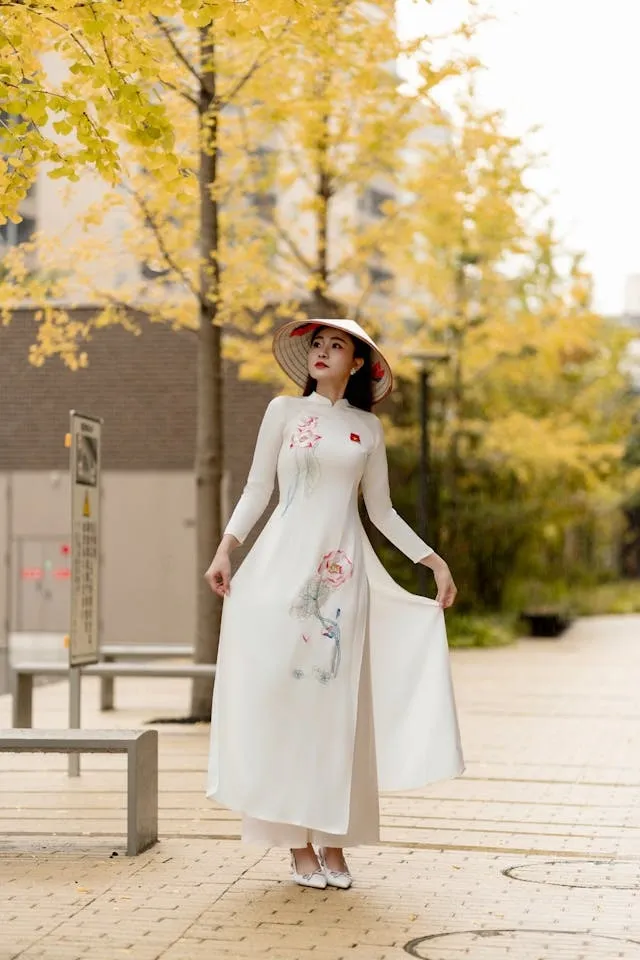
Asian street fashion has long stood at the forefront of creativity, individuality, and cultural expression. What started as niche subcultures in Tokyo, Seoul, Taipei, Bangkok, Beijing, and other major Asian cities has now grown into a global influence shaping runways, fast-fashion chains, luxury brands, and digital aesthetics across the world. In 2025, Asian street fashion is not just a trend—it’s a movement powered by fearless experimentation, multicultural identity, and a new generation of young fashion lovers who refuse to dress by the rules.
From the high-octane energy of Harajuku to the sleek sophistication of Seoul’s Garosu-gil, Asian street fashion represents a spectrum of moods, lifestyles, and philosophies. It is characterized by boldness, storytelling, and a deep connection between fashion, music, art, and digital culture. This article explores the history, evolution, and defining trends of Asian street fashion—and why the world can’t stop looking to Asia for the next big style wave.
Read More:
- Street Fashion Emoji 🧍: The Digital Symbol of Urban Cool
- Japanese Street Fashion: The Bold Evolution of Urban Cool
- Japan Street Fashion: The Bold Revolution That Redefined Global Style
Introduction: What Makes Asian Street Fashion So Unique?
Asian street fashion stands out for its daring originality. Unlike traditional Western streetwear—often rooted in skate culture, hip-hop, and sportswear—Asian street style is a fusion of subcultures, vintage revivals, modern minimalism, and futuristic experimentation. Its uniqueness comes from three core elements:
- Cultural diversity: Asia is home to thousands of cultures, and fashion reflects that richness.
- Youth-driven creativity: Gen Z and Millennials across Asia are fashion pioneers, setting trends on social media long before brands adopt them.
- Mix of tradition and futurism: Asian street fashion embraces both heritage fabrics and cutting-edge silhouettes.
Whether it’s the maximalism of Japanese Harajuku or the cool minimalism of Korean streetwear, Asian street fashion is constantly evolving—and influencing the world while doing it.
1. A Brief History of Asian Street Fashion
1.1. Japan: The Origin of Radical Street Expression
Japan is the birthplace of modern Asian street fashion. In the 1980s and 1990s, Tokyo—especially Harajuku—became a global creative hotspot. Subcultures such as:
- Gyaru
- Lolita
- Visual Kei
- Decora
- Ura-Harajuku skate and punk style
created experimental fashion worlds full of individuality. Designers like Rei Kawakubo (Comme des Garçons) and Yohji Yamamoto pushed Japanese aesthetics to the global stage, while local youth shaped the streets with bold, rebellious expressions.
1.2. South Korea: The Rise of Minimalist Streetwear
Korean street fashion grew alongside the rise of K-pop and K-culture. By the 2010s, Seoul became a hub of sleek, clean, and minimalist style. Neutral palettes, oversized silhouettes, and structured tailoring became signature elements. The global popularity of K-pop idols amplified these looks worldwide.
1.3. China: High-Tech Fashion Meets Street Culture
China’s street fashion scene surged with the rise of digital platforms like Weibo, Douyin, and Xiaohongshu. Young Chinese consumers embraced futuristic techwear, bold luxury streetwear, and avant-garde silhouettes. Cities like Shanghai became trendsetting powerhouses merging traditional aesthetics with cutting-edge modernism.
1.4. Southeast Asia: Tropical Creativity Meets Urban Cool
Countries like Thailand, the Philippines, Indonesia, Vietnam, and Malaysia brought a refreshing burst of tropical color and comfortable street-friendly outfits. Lightweight fabrics, bright prints, and playful layering define Southeast Asian street fashion.
Together, these regions form a vibrant, diverse fashion universe.
2. The Cultural Influences Behind Asian Street Fashion
Asian street fashion is so influential because it is deeply rooted in culture. It draws from:
2.1. Traditional Clothing
Asian street fashion often incorporates elements from:
- Kimono (Japan)
- Hanbok (Korea)
- Cheongsam / Qipao (China)
- Ao Dai (Vietnam)
- Barong (Philippines)
- Sari / Kurta (South Asia)
These traditional garments inspire modern silhouettes, prints, and layering techniques.
2.2. Anime, K-pop, and Digital Aesthetics
Modern Asian street fashion is heavily influenced by pop culture:
- Anime and manga inspire colorful, whimsical Harajuku looks.
- K-pop idols set fashion trends globally—oversized blazers, cargo pants, layered jewelry.
- Chinese influencers incorporate techwear and cyberpunk aesthetics.
2.3. Youth rebellion and individuality
In many Asian societies where conformity is valued, street fashion became a form of rebellion and self-expression. It allows young people to stand out and express their identity.
2.4. Globalization and cross-cultural exchange
Asian fashion designers mix global streetwear, European tailoring, local patterns, and futuristic concepts. This creates a hybrid style that feels both familiar and entirely new.
3. Key Cities That Shape Asian Street Fashion
3.1. Tokyo, Japan
Tokyo remains the beating heart of Asian street fashion. Notable districts include:
- Harajuku – colorful, youthful, experimental
- Shibuya – edgy, trendy, urban
- Ura-Hara – skate, punk, vintage revival
- Shinjuku – modern, polished
Tokyo fashion is unpredictable, boundary-breaking, and iconic.
3.2. Seoul, South Korea
Seoul’s street fashion is sleek, chic, and clean. Key areas:
- Hongdae – artistic, indie fashion
- Gangnam – luxury streetwear
- Garosu-gil – minimalist and modern
K-drama and K-pop heavily influence the city’s style.
3.3. Shanghai, China
Shanghai leads China’s trendsetting scene with:
- Luxury techwear
- Futuristic street style
- Avant-garde silhouettes
- Bold accessories
Shanghai fashion merges high tech with high fashion.
3.4. Bangkok, Thailand
Bangkok is known for:
- Colorful prints
- Creative layering
- Streetwear fused with tropical comfort
Bangkok’s fashion scene is energetic and youth-driven.
3.5. Manila, Philippines
Manila’s street fashion combines:
- Casual skate style
- Tropical fabrics
- Bold pop-culture references
Young Filipino influencers are pushing Manila’s style globally.
3.6. Jakarta, Indonesia
Jakarta has a strong urban streetwear culture influenced by:
- Local materials
- Modest fashion
- Skate and hip-hop influences
These cities together set Asia’s fashion direction for the world.
4. Key Trends Defining Asian Street Fashion Today
4.1. Oversized Everything
Asian street style is famous for its relaxed silhouettes:
- Oversized tees
- Wide-leg pants
- Baggy cargos
- Boxy jackets
Comfort meets aesthetic.
4.2. Gender-fluid Fashion
Unisex clothing is huge in Asian streetwear. Loose silhouettes blur gender boundaries and promote freedom of expression.
4.3. Innovative Layering
Layering is a signature element:
- Shirts over shirts
- Jackets over hoodies
- Long sleeves under graphic tees
Asian fashion turns layering into an art form.
4.4. Korean Minimalism
Neutral tones, structured pieces, and understated elegance shape Korean street fashion. Think:
- Beige, grey, off-white
- Clean silhouettes
- Subtle accessories
Minimalism with personality.
4.5. Japanese Maximalism
In contrast to Korea, Japan embraces boldness:
- Colorful prints
- Kawaii aesthetics
- Punk influences
- Pattern clashes
It’s expressive and unapologetic.
4.6. Techwear and Futuristic Fashion
Popular especially in China and Japan:
- Waterproof fabrics
- Utility vests
- Tactical belts
- Cyberpunk silhouettes
It’s fashion for the future.
4.7. Retro and Vintage Revival
Asian youth love vintage:
- 80s denim
- 90s grunge
- Y2K revival
This trend mixes nostalgia with modern flair.
4.8. Luxury Streetwear
Brands like Balenciaga, Off-White, Dior, and Prada heavily influence Asian street fashion—but young consumers mix them with thrift finds and local labels.
4.9. Modest Street Fashion
Especially popular in Southeast Asia and among Muslim fashion lovers. It features:
- Loose silhouettes
- Hijab styling
- Long jackets and cargo sets
A powerful blend of modesty and modernity.
5. Asian Street Fashion and Social Media
5.1. Instagram and Street Photography
Influencers and street photographers amplified Asian street fashion globally. Accounts showcasing fashion in Tokyo or Seoul often go viral.
5.2. TikTok and Short Videos
Fashion transitions, dressing videos, and “day in the life” content bring Asian fashion into daily feeds.
5.3. K-pop and Celebrity Influence
Idols from groups like BTS, Blackpink, Stray Kids, and Twice regularly set worldwide trends.
5.4. Chinese Social Media Power
Chinese fashion influencers on Xiaohongshu and Douyin drive massive style waves due to their sharp visuals and futuristic aesthetics.
6. Why Asian Street Fashion Rules the Global Market
6.1. It inspires global designers
Luxury fashion houses often borrow from Asian aesthetics.
6.2. It sets social media trends
What starts in Seoul or Tokyo often becomes a global trend within weeks.
6.3. It’s both wearable and expressive
Asian street fashion blends comfort, creativity, and identity.
6.4. Young consumers drive the market
Asia has one of the largest youth populations, making the region a fashion powerhouse.
7. How to Style Your Own Asian Street Fashion Look
Step 1: Choose a base aesthetic
- Korean minimalist
- Japanese Harajuku
- Chinese futuristic
- Southeast Asian tropical
Step 2: Pick core items
- Oversized tees
- Cargo pants
- Layered tops
- Sneakers
- Statement accessories
Step 3: Add cultural or personal touches
- Traditional-inspired prints
- Upcycled pieces
- Anime/K-pop accessories
Step 4: Focus on balance
Asian street fashion is bold but intentional.
Step 5: Express yourself
There is no “wrong way.” The goal is to express your identity.
Conclusion: The Future of Asian Street Fashion
Asian street fashion is more than clothing—it’s a cultural language. It reflects the creativity, diversity, and bold spirit of Asia’s youth. From futuristic techwear to soft minimalism and experimental maximalism, Asian street fashion continues to redefine global style.
In the coming years, expect even more innovation driven by:
- Sustainable fashion
- AI styling tools
- Virtual influencers
- Cultural fusion
- Gender-fluid design
Asia will remain a global fashion powerhouse, inspiring the world through its fearless approach to style.


