
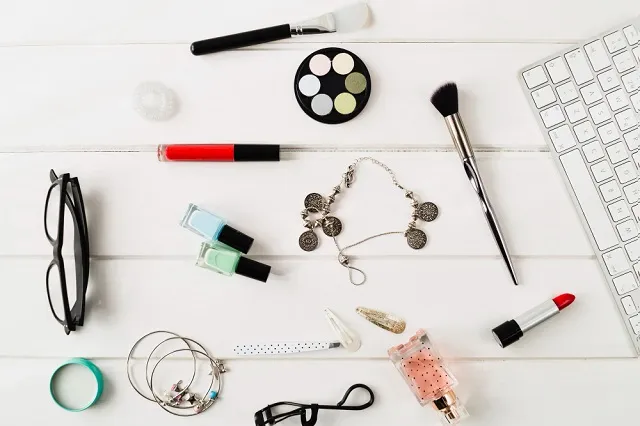
Fashion accessories have long played a defining role in personal style, social identity, and cultural expression. While clothing forms the foundation of how people dress, accessories add nuance, personality, and meaning. They elevate outfits, signal trends, symbolize status, and sometimes serve functional purposes that extend beyond aesthetics. The world of accessories is vast, ever-evolving, and deeply intertwined with history, technology, craftsmanship, and global fashion culture.
This article provides a detailed, encyclopedia-style exploration of fashion accessories—covering their history, types, functions, cultural relevance, modern innovations, and economic significance in today’s fashion landscape.
Read More:
- The Best Street Fashion Accessories For Guys
- Fashion Accessories: The Finishing Touch That Defines Your Style
- Street Fashion Accessories: The Must-Have Trendsetters of 2025
- Popular Street Fashion Accessories 2025: The Trends Defining Urban Style
1. Introduction
A fashion accessory is an item used to complement or enhance an individual’s outfit. Accessories can be decorative, functional, or both. They range from small items such as jewelry and belts to larger elements such as bags, hats, or even handheld electronics that contribute to a person’s overall aesthetic.
Although often considered secondary to clothing, accessories are essential to fashion. They allow individuals to customize their look, express personal identity, and adapt outfits to different occasions. In many societies, accessories signal cultural affiliation, social class, profession, and even marital status.
Today, the global accessories market is one of the fastest-growing segments in the fashion industry, driven by streetwear culture, social media trends, luxury branding, and the rise of sustainability-focused consumers.
2. Historical Background
2.1 Early Civilizations
Accessories have existed since ancient times. Archaeologists have uncovered shell beads from over 100,000 years ago, believed to be among the earliest human-made ornaments. Ancient Egyptians wore elaborate jewelry crafted from gold, semi-precious stones, and glass, symbolizing status and religious beliefs. Greeks and Romans used accessories such as brooches, wreaths, belts, and sandals for both decorative and functional purposes.
2.2 Middle Ages and Renaissance
During the Middle Ages, accessories like belts, hats, buckles, and pouches indicated rank and wealth. Women often wore veils, while men’s accessories reflected their profession or social standing.
The Renaissance brought increased luxury in clothing and accessories. Fine jewelry, gloves, lace collars, and ornate hats became symbols of refinement.
2.3 Industrial Revolution
Mass production in the 19th century transformed the accessory market. Items previously crafted by hand—like handbags, umbrellas, and watches—became widely accessible. Fashion houses emerged, and accessories became important markers of style among the growing middle class.
2.4 20th and 21st Century
The 20th century saw rapid evolution driven by cinema, music, and youth subcultures. Flappers popularized long necklaces and cloche hats in the 1920s. The 1950s celebrated pearls and structured handbags. Hippie culture in the 1960s brought beads and eclectic accessories, while the 1980s embraced oversized jewelry and designer logos.
In the 21st century, digital technology, fast fashion, and global street style have significantly shaped accessory trends, making them more diverse than ever.
3. Types of Fashion Accessories
Fashion accessories fall into several major categories:
3.1 Jewelry
Jewelry includes items such as:
- Necklaces
- Bracelets
- Earrings
- Rings
- Brooches
- Body jewelry (nose rings, anklets, belly chains)
Jewelry is one of the oldest accessory forms and remains deeply tied to cultural, emotional, and symbolic meaning.
3.2 Bags and Wallets
Bags serve both functional and aesthetic roles. Common types include:
- Handbags
- Backpacks
- Clutches
- Tote bags
- Crossbody bags
- Wallets and cardholders
Luxury brands often capitalize on the high demand for branded bags, making them some of the most profitable accessories globally.
3.3 Footwear
Although footwear can be considered clothing, many fashion systems classify it as an accessory. Types include:
- Sneakers
- Boots
- Sandals
- High heels
- Loafers
- Flats
Sneaker culture alone has become a global phenomenon, merging fashion with sports, music, and collectible culture.
3.4 Headwear
Headwear ranges from functional items to high-fashion statements:
- Hats
- Caps
- Beanies
- Headbands
- Scarves
- Turbans
Different societies use headwear to signify identity, religion, or cultural tradition.
3.5 Belts
Belts are both functional and decorative. They come in:
- Leather belts
- Fashion belts with statement buckles
- Corset-style belts
- Chain belts
Belts help structure clothing and often serve as focal points in modern outfits.
3.6 Eyewear
Eyewear includes:
- Sunglasses
- Prescription glasses
- Fashion glasses without lenses
Sunglasses, especially, have become powerful symbols of style and attitude, with many designers updating shapes such as aviators, cat-eyes, and oversized lenses.
3.7 Watches
Watches combine craftsmanship, engineering, and fashion. Categories include:
- Analog watches
- Digital watches
- Luxury mechanical watches
- Smartwatches
In recent years, smartwatches have blurred the lines between technology and accessory fashion.
3.8 Scarves and Shawls
These versatile items serve as:
- Functional pieces for warmth
- Fashion statements
- Cultural garments
Scarves have been used by various cultures, from silk scarves in Europe to patterned shawls across Asia.
3.9 Gloves
Gloves are used for warmth, protection, or styling. Types include:
- Leather gloves
- Winter gloves
- Lace gloves
- Driving gloves
They also hold symbolic value, especially in historical fashion.
3.10 Technological Accessories
In the digital age, accessories now include:
- Phone cases
- AirPods and decorative earbuds
- Tech-enabled jewelry
- Wearable devices
Technology has introduced new categories of fashion-focused, functional accessories.
4. Functions of Fashion Accessories
Accessories serve multiple purposes, extending far beyond decoration.
4.1 Aesthetic Enhancement
Accessories add personality and flair to outfits. They transform basic clothing into fashionable ensembles, allowing individuals to express creativity.
4.2 Social and Cultural Signaling
Accessories often indicate:
- Religion (e.g., cross necklaces, hijabs, turbans)
- Marital status (wedding rings, traditional jewelry)
- Social class or wealth (designer brands)
- Cultural identity
In many societies, specific accessories are essential to ceremonial dress.
4.3 Functionality
Items like watches, belts, bags, and sunglasses serve practical purposes. Accessories help individuals adapt to climate, activity, or environment.
4.4 Trend Identification
Accessories are often crucial markers of contemporary trends. Influencers, celebrities, and designers frequently introduce accessory-based trends faster than clothing-based ones.
5. Accessories in Global Culture
5.1 Asia
Asian cultures have a long history of ornate accessories.
- India is famous for gold jewelry and bridal accessories.
- Japan’s traditional kimono accessories include obi belts and hair ornaments.
- South Korea influences global trends with minimalist jewelry and K-fashion accessories.
5.2 Europe
European fashion houses dominate luxury accessories. Paris, Milan, and London are centers for high-fashion bags, shoes, and jewelry.
5.3 Africa
African cultures celebrate vibrant accessories, such as beaded jewelry, headwraps, and symbolic bracelets.
5.4 Americas
Streetwear, celebrity culture, and Indigenous craftsmanship shape accessory trends in North and South America.
6. Modern Trends in Fashion Accessories
6.1 Streetwear Influence
Streetwear revolutionized accessories with:
- Bucket hats
- Chunky sneakers
- Logo-heavy bags
- Oversized sunglasses
Youth culture and hip-hop play a major role in shaping these trends.
6.2 Minimalism and Modern Simplicity
Clean lines, silver jewelry, and neutral-colored accessories dominate minimalist fashion.
6.3 Sustainable and Ethical Accessories
Consumers increasingly prefer:
- Recycled materials
- Vegan leather bags
- Upcycled jewelry
- Ethically sourced gemstones
Sustainability is now a key driver of purchasing behavior.
6.4 Tech Integration
Smart accessories—like fitness wearables and AR glasses—merge fashion with functionality.
6.5 Vintage and Thrift Culture
Secondhand accessories are growing in popularity due to nostalgia and affordability.
7. The Global Fashion Accessory Industry
The accessory market represents a major segment of the global fashion industry. Major contributors include:
- Luxury brands (Louis Vuitton, Gucci, Chanel)
- Fast fashion retailers (Zara, H&M)
- Independent designers
- Artisan communities
Digital platforms like Instagram, TikTok, and Pinterest significantly influence accessory trends and consumer decisions.
8. Role of Accessories in Personal Identity
Accessories allow people to:
- Showcase creativity
- Communicate values
- Express individuality
- Follow or resist fashion norms
Many people use accessories as signature elements of their personal style.
9. Accessories and Gender
Although traditionally gendered, modern fashion blurs these lines. Men increasingly wear jewelry, bags, and decorative accessories. Women embrace gender-neutral and minimalist items. Unisex fashion is expanding rapidly in contemporary style culture.
10. Controversies and Ethical Considerations
10.1 Environmental Impact
Fast fashion accessories contribute to plastic waste and pollution.
10.2 Cultural Appropriation
Using culturally significant accessories without understanding their meaning has sparked global discussions around respect and representation.
10.3 Labor Ethics
Some accessories, particularly jewelry and leather goods, raise concerns related to:
- Fair wages
- Mining practices
- Worker safety
Consumers and brands alike are shifting toward more ethical production.
Conclusion
Fashion accessories are far more than decorative items—they represent culture, history, functionality, expression, and identity. From ancient civilizations to modern digital trends, accessories have evolved alongside human society, shaping how people present themselves and how they interact with the world.
As fashion continues to transform through global connectivity, sustainability movements, and technological advancements, accessories will remain an essential part of personal style and cultural expression. Their ability to adapt, innovate, and reflect individuality ensures they will continue to play a vital role in the fashion landscape for generations to come.


