
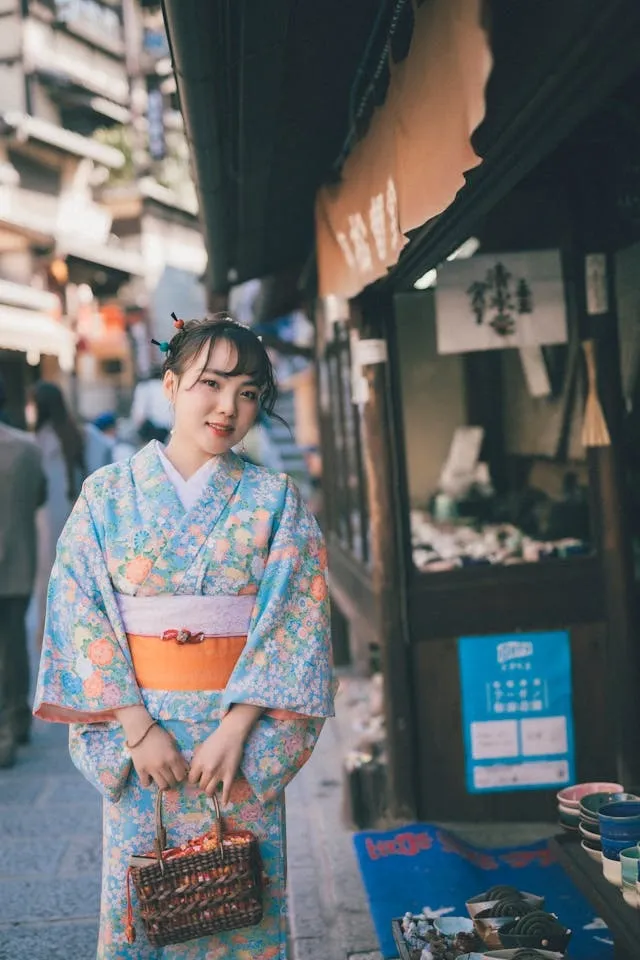
Japanese fashion has long captured the world’s attention with its creativity, eclecticism, and fearless approach to personal expression. While runway shows and avant-garde designers often dominate conversations about Japan’s fashion culture, the everyday style found in cafes, train stations, local neighborhoods, and university campuses tells a story that is just as compelling. Casual Japanese street fashion—accessible, comfortable, expressive, and ever-evolving—represents a unique intersection of cultural values, international influences, and Japan’s intrinsic love of detail and craftsmanship.
This article explores the roots, defining features, major style categories, and evolving trends within casual Japanese street fashion, while examining why it continues to inspire global audiences and designers alike.
Read More:
- Japan Street Fashion: The Bold Revolution That Redefined Global Style
- Japanese Street Fashion: The Bold Evolution of Urban Cool
1. The Evolution of Japanese Casual Street Style
1.1 From Postwar Practicality to Youth Culture Explosion
Japan’s fashion evolution after the mid-20th century mirrors its rapid economic growth and modernization. In the years following World War II, clothing was primarily utilitarian—simple silhouettes, neutral colors, and a focus on practicality. As the economy flourished in the 1960s and 70s, Western influences filtered in through music, TV, and imported goods, inspiring younger generations to experiment with new styles.
The 1980s and 90s marked a pivotal era. Tokyo neighborhoods like Harajuku, Shibuya, and Ura-Harajuku became incubators for youth subcultures. While some of these movements were extreme—Lolita, Visual Kei, Gyaru—their influence helped create a culture in which self-expression through clothing was celebrated. Simultaneously, a quieter, more laid-back style also developed. This became the root of today’s casual Japanese street fashion: understated, versatile, and often influenced by workwear, sportswear, and Americana.
1.2 The Globalization of Japanese Aesthetics
By the early 2000s, Japanese fashion magazines, like Popeye, Non-no, Men’s Non-no, and Smart, began featuring effortlessly stylish outfits built from accessible items: relaxed jeans, oversized knits, crisp button-downs, and minimalist sneakers. Japanese brands such as Uniqlo, Beams, and United Arrows played a significant role in shaping the accessible, refined aesthetic.
Today, casual Japanese street fashion has a global identity—distinctly Japanese yet universally appealing. Its emphasis on comfort, layering, texture, and subtle details sets it apart from more flamboyant or trend-driven styles.
2. Key Characteristics of Casual Japanese Street Fashion
Although Japanese casual street fashion is broad and varied, several core principles unify the style.
2.1 Effortless, Understated Aesthetic
One defining element of casual Japanese fashion is the appearance of effortlessness. Outfits are rarely loud or flashy; instead, they lean into neutral tones, simple silhouettes, and minimalist design. Even when the look is carefully curated, it maintains an unpretentious vibe.
2.2 Loose Silhouettes and Comfortable Fit
Comfort is paramount. Oversized fits, relaxed trousers, slouchy sweaters, and boxy T-shirts are staples. This preference for roomy silhouettes stems partly from Japan’s appreciation of traditional garments like kimonos, which drape loosely on the body, as well as modern influences from workwear and streetwear.
2.3 Mastery of Layering
Layering is an art in Japan. Light jackets, cardigans, vests, scarves, and button-downs are often combined to create depth and texture. This not only allows for versatility in changing weather but also adds dimension to even the simplest outfits.
2.4 Mix of Traditional and Contemporary Elements
Japanese casual fashion subtly incorporates traditional elements. For example:
- Kimono-inspired cuts
- Noragi jackets
- Geta-inspired sandals
- Traditional fabrics like indigo-dyed cotton or sashiko stitching
These pieces blend seamlessly with contemporary streetwear, creating looks that feel both modern and deeply rooted in Japanese heritage.
2.5 Attention to Materials and Craftsmanship
Quality is highly valued. Even when the outfit looks effortless, the garments often feature premium materials such as:
- Selvedge denim
- Organic cotton
- Wool blends
- Linen
Japanese craftsmanship—especially in denim and workwear—has earned worldwide acclaim. This focus on materials elevates even the simplest T-shirt and jeans combination.
3. Major Styles Within Casual Japanese Street Fashion
Casual Japanese street fashion doesn’t refer to a single aesthetic but rather a spectrum of everyday styles. Here are some of the most influential categories.
3.1 Minimalist Basics: The Japanese Normcore
Often associated with brands like Uniqlo, Muji, and APC (popular in Japan), minimalist basics represent the cleanest, most pared-down expression of Japanese casual wear.
Features:
- Solid neutral colors (white, black, beige, navy, gray)
- Straight-cut trousers
- Simple T-shirts
- Knit sweaters
- Clean sneakers
Why it’s popular:
It offers comfort, versatility, and a timeless look. This style also aligns with Japanese cultural values of modesty and subtlety.
3.2 Workwear and Utility Fashion
Japan has a long-standing love affair with American workwear and military garments, and this influence is clear in everyday casual fashion.
Common items:
- Chore jackets
- Worker trousers
- Denim jackets
- Cargo pants
- Field jackets
- Leather boots
Brands like Carhartt WIP, Dickies, and Japanese labels like Kapital and Neighborhood are beloved for their quality and heritage feel.
Signature look:
A mix of rugged, durable fabrics paired with relaxed, functional silhouettes.
3.3 Vintage Americana (Ame-kaji)
Ame-kaji, short for American casual, remains one of Japan’s most enduring fashion styles. Rooted in 1950s–70s American culture, it includes varsity jackets, denim, and retro sportswear.
Key elements:
- Selvedge denim jeans
- Classic white T-shirts
- Varsity or bomber jackets
- Canvas sneakers (Converse, Vans)
- Checks and stripes
Japanese youth see Ame-kaji as nostalgic, cool, and inherently casual—a perfect blend of retro and modern.
3.4 Sporty Casual / Athleisure
With the rise of global sportswear brands and Tokyo’s love for street-athletic hybrids, sporty casual looks have become mainstream.
Typical clothing:
- Joggers or track pants
- Oversized sweatshirts
- Hoodies
- Windbreakers
- Retro sneakers
Brands like Nike, Adidas, and Asics dominate, but Japanese labels such as Asics Tiger, Descente, and Mizuno also play major roles.
3.5 Ura-Harajuku Casual Streetwear
Ura-Hara (the back streets of Harajuku) is the birthplace of modern Japanese streetwear, heavily influenced by hip-hop, skate culture, and punk fashion.
Elements include:
- Graphic T-shirts
- Hoodies
- Baggy pants
- Caps and beanies
- Bold sneakers
Brands such as A Bathing Ape (BAPE), Undercover, Wacko Maria, and WTAPS helped define this scene. While the style has evolved, its casual yet edgy vibe remains influential.
3.6 Soft Feminine Casual
For women, casual Japanese fashion often incorporates soft, romantic elements.
Typical pieces:
- Pleated skirts
- Light blouses
- Knitted cardigans
- Simple dresses
- Ballet flats or loafers
This style is gentle, neutral-toned, and highly wearable, making it a favorite among university students and young professionals.
4. Popular Brands That Define Casual Japanese Street Fashion
Japan’s fashion ecosystem includes giants, niche designers, and beloved heritage labels. Some key contributors include:
4.1 Uniqlo
The global ambassador of Japanese minimalism. Uniqlo’s accessible basics—T-shirts, HeatTech, jeans, and outerwear—form the backbone of much of Japan’s casual streetwear.
4.2 Muji
Known for ultra-simple, high-quality basics. Muji’s clothing emphasizes functionality, comfort, and organic fibers.
4.3 Beams
A lifestyle store offering both local and imported fashion. Beams Men and Beams Women curate casual looks that define Japanese cool.
4.4 United Arrows
More refined and upscale than Beams, but still deeply influential in shaping modern Japanese casual style.
4.5 Comme des Garçons PLAY
A casual, youth-friendly sub-brand of the avant-garde label. The heart-logo T-shirts and cardigans have become staples in Japan’s everyday wardrobe.
4.6 Kapital
A quirky, artisanal brand known for patchwork denim, sashiko embroidery, and Americana-meets-Japanese design.
4.7 Neighborhood & WTAPS
Icons of Ura-Harajuku streetwear culture, combining military, punk, and utilitarian influences.
5. Why Casual Japanese Street Fashion Is Globally Influential
5.1 A Perfect Balance of Comfort and Aesthetic
The world is increasingly embracing comfort without sacrificing style. Japanese casual fashion mastered this long before the global shift toward athleisure and relaxed wear.
5.2 Focus on Craftsmanship and Longevity
In a world of fast fashion, Japan’s appreciation for quality materials stands out. Even casual consumers value durability, making Japanese brands respected worldwide.
5.3 Cultural Appreciation for Subtlety
Japan’s understated approach contrasts sharply with trend-driven Western fast fashion. The elegance of simplicity appeals to people seeking timeless styles.
5.4 Unique Blending of Cultural Influences
Japan’s ability to interpret and elevate elements of Western, traditional, and contemporary fashion results in a fresh yet familiar aesthetic.
5.5 The Influence of Japanese Media
Magazines, social media platforms, and Japanese influencers contribute to the spread of casual Japanese street style. YouTubers, TikTok creators, and fashion-focused Instagram accounts regularly inspire global audiences.
6. How to Build a Casual Japanese Street Fashion Look
If you want to incorporate this aesthetic into your own wardrobe, here’s how to get started.
6.1 Keep Colors Neutral and Soft
Start with whites, creams, black, navy, or muted earth tones.
6.2 Choose Comfortable, Relaxed Silhouettes
Opt for:
- Wide-leg trousers
- Mid-rise denim
- Boxy tops
- Loose sweaters
- Light outerwear
6.3 Master Simple Layering
Combine:
- A T-shirt with a light jacket
- A knit over a button-down
- A vest over a long-sleeve top
Keep layers thin to avoid bulkiness.
6.4 Focus on Quality Basics
Invest in well-made:
- T-shirts
- Denim
- Sweaters
- Outerwear
- Sneakers
6.5 Add Small, Thoughtful Accessories
Consider:
- A simple tote bag
- Minimalist jewelry
- A bucket hat or cap
- A vintage watch
6.6 Mix Japanese and Western Influences
Pair a kimono-style jacket with jeans, or American workwear with Japanese sneakers.
7. The Future of Casual Japanese Street Fashion
As Japan adapts to new lifestyles, sustainability concerns, and global trends, its casual fashion continues to evolve.
7.1 Rise of Sustainable and Ethical Fashion
Eco-friendly materials, recycled fabrics, and long-lasting staples align naturally with the Japanese ethos of durability and craftsmanship.
7.2 Influence of Techwear
As tech and fashion converge, Japanese designers are integrating lightweight weatherproof materials and functional designs into casual streetwear.
7.3 Gender-Fluid Fashion
Many Japanese brands already blur gender boundaries through unisex silhouettes. This trend is expected to grow stronger globally.
7.4 Global Collaborations
Collaborations between Japanese and Western labels (e.g., Uniqlo x JW Anderson, BAPE x Adidas) keep the style fresh and globally relevant.
Conclusion
Casual Japanese street fashion stands as a testament to the beauty of simplicity, comfort, and quiet expression. While Japan is often associated with bold subcultures and avant-garde designers, its everyday style reveals a culture deeply invested in craftsmanship, subtlety, and individuality. Whether influenced by vintage Americana, Japanese tradition, minimalist design, or modern streetwear, casual Japanese fashion strikes a balance between practicality and artistry that resonates worldwide.
Its refined yet approachable aesthetic demonstrates that style does not require extravagance—just thoughtful choices, quality materials, and a willingness to express oneself through the little details. As global fashion continues shifting toward comfort, sustainability, and timeless design, Japanese casual street fashion remains not only relevant but increasingly influential, inspiring millions who seek a blend of elegance, ease, and authenticity in their daily wardrobe.


