
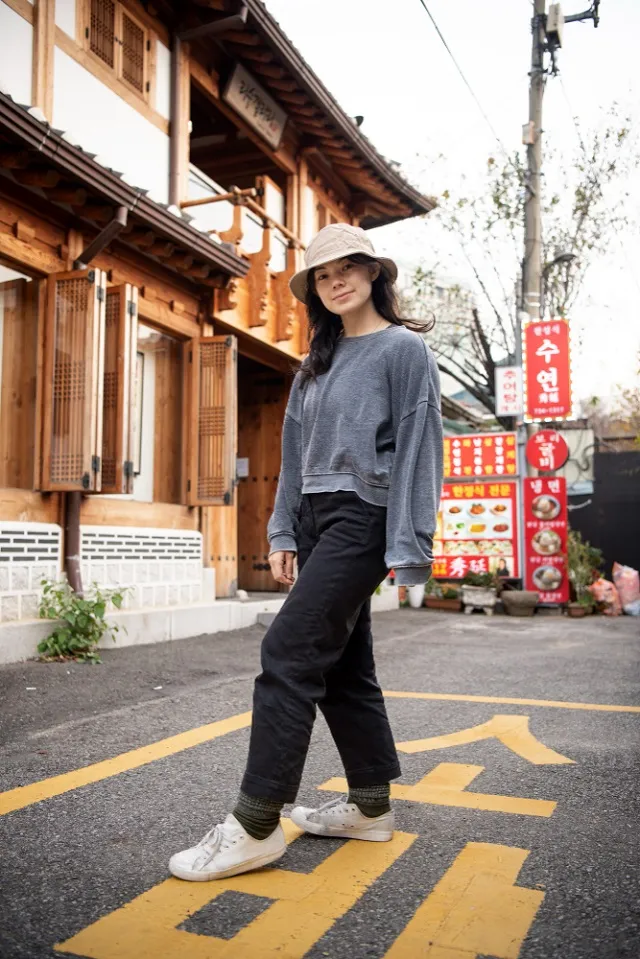
Tokyo street fashion is more than clothing—it is a visual language, a cultural ecosystem, and a constantly shifting barometer of youth identity in one of the most trend-setting cities on earth. From the photogenic flamboyance of Harajuku to the sleek futurism of Shibuya and the minimalist chic of Daikanyama, Tokyo streets are where art, fashion, subculture, and sociology collide. Over the past several decades, Tokyo has produced a remarkable spectrum of styles that has influenced global fashion, inspired designers from Paris to New York, and reshaped how the world understands the expression of individuality through clothing.
This article explores the roots, evolution, subcultures, and global impact of Tokyo street fashion as well as the social and cultural forces that continue to shape it.
Read More:
- Casual Japanese Street Fashion: A Deep Dive into Everyday Style in Japan
- Japan Street Fashion: The Bold Revolution That Redefined Global Style
- Japanese Street Fashion: The Bold Evolution of Urban Cool
1. Origins: From Postwar Identity to Urban Innovation
Tokyo street fashion as we know it today emerged from a complex history of cultural shifts after World War II. As Japan’s economy boomed during the 1960s and 1970s, young people began exploring Western clothing trends while simultaneously resisting conformity. Department stores were expanding, imported goods were easier to find, and magazines were circulating images of foreign styles that fueled experimentation.
By the 1980s, Tokyo—particularly Shinjuku and Harajuku—had become fertile ground for the birth of street subcultures. Crews of teenagers gathered on Jingu Bridge and in alleyways between Takeshita Street and Omotesando to show off fashion that fused punk, new wave, glam rock, and DIY flair. Camera-toting journalists—most famously Shoichi Aoki, founder of FRUiTS magazine—began documenting this phenomenon, transforming local style into an international spectacle.
The key ingredient was freedom. Tokyo became a city where youth could visually rebel against the expectations of school systems, corporate culture, and traditional social norms. Clothing became a statement of identity, escapism, and creativity—all wrapped into one.
2. Harajuku: The Heart of Street Fashion Culture
Harajuku is arguably the epicenter of Tokyo street fashion and the birthplace of many world-famous styles. For decades, it has been a cultural laboratory where fashion tribes mix, break apart, and reform with dizzying speed.
2.1 Lolita Fashion
One of the most iconic styles emerging from Harajuku is Lolita fashion, inspired by Victorian and Rococo aesthetics. The look emphasizes modesty but with a theatrical twist: bell-shaped skirts, petticoats, lace-stocked dresses, bonnets, and parasols create a doll-like silhouette. Substyles like Gothic Lolita (popularized by brands such as Moi-même-Moitié) and Sweet Lolita (with pastel colors and childlike motifs) allowed wearers to align themselves with specific aesthetic identities.
Lolita fashion represented both escape and empowerment—an alternative world constructed through clothing, where women could reject adult expectations and create their own narrative.
2.2 Visual Kei Influence
Another major influence was Visual Kei, a fashion and music movement sparked by bands like X Japan in the late 1980s. With flamboyant makeup, elaborate hairstyles, leather, lace, and dramatic silhouettes, fans emulated their favorite musicians in the streets. Harajuku was filled with groups of Visual Kei devotees who turned every Sunday into a theatrical event.
2.3 Decora
Perhaps the most instantly recognizable Harajuku style is Decora, defined by extreme layering, rainbow colors, and an overload of accessories—plastic hair clips, neon bracelets, and character paraphernalia. Decora is playful and unapologetically maximalist, embodying a kind of joyful chaos.
2.4 Kawaii Culture
Over time, Harajuku became synonymous with kawaii culture—a uniquely Japanese aesthetic blending cuteness, softness, and whimsy. Characters like Hello Kitty and brands like 6%DOKIDOKI cultivated a visual world where bright colors and childlike imagery created a safe space for self-expression.
3. Shibuya: Trendsetting with Urban Edge
If Harajuku is the youthful dreamland of self-expression, Shibuya is the stylish, fast-paced realm of trend-conscious youth seeking the newest look.
3.1 Shibuya-kei
In the 1990s, Shibuya birthed Shibuya-kei, a musical and fashion movement influenced by retro French pop, bossa nova, and jazz. The fashion mirrored the music—sophisticated yet playful, vintage-inspired, and often eclectic.
3.2 Gyaru Culture
But Shibuya’s greatest contribution to fashion is arguably gyaru culture. Emerging in the 1990s and reaching its peak in the early 2000s, gyaru was all about bold rebellion against mainstream beauty standards. Hallmarks included:
- deeply tanned skin
- bleached or brightly colored hair
- dramatic makeup with oversized lashes
- decorated nails
- attention-grabbing streetwear
Substyles like kogal, ganguro, and agejo created different expressions within the gyaru world. Some favored extreme tans and neon makeup; others leaned toward glamorous, hostess-inspired looks.
Gyaru was both controversial and empowering—an overt rejection of traditional Japanese femininity and the pressures of conformity.
4. Aoyama and Daikanyama: High Fashion Meets Minimalism
Moving away from the eccentricity of Harajuku and Shibuya, the neighborhoods of Aoyama and Daikanyama offer a more refined, subdued expression of Tokyo street fashion.
These districts are home to flagship stores of luxury brands, avant-garde designers, and architectural marvels. The fashion here tends to embrace:
- high-quality materials
- structured silhouettes
- muted color palettes
- minimalist design
Designers like Issey Miyake, Yohji Yamamoto, and Comme des Garçons have deeply influenced the aesthetic of these neighborhoods. Their focus on sculptural silhouettes, monochromatic palettes, and conceptual clothing has given rise to a unique Japanese minimalism that is instantly recognizable worldwide.
This side of Tokyo fashion appeals to an older demographic or to those who prefer understated sophistication over flamboyant experimentation.
5. Akihabara and Ikebukuro: Anime, Cosplay, and Subcultural Style
Tokyo street fashion is inseparable from its subcultural scenes, particularly in districts like Akihabara (the otaku capital) and Ikebukuro (especially for female-oriented fandoms).
5.1 Cosplay Culture
While cosplay is often associated with conventions, it also influences everyday street style. People might incorporate elements inspired by anime characters—pastel hair, oversized silhouettes, fantasy accessories—into regular clothing. This blending of fiction and reality reflects Japan’s blurred boundaries between pop culture and daily life.
5.2 Idols and J-pop Influence
J-pop idol groups also shape fashion trends. Fans often replicate idol performance outfits or adopt subtle cues like hairstyles or color themes. The feedback loop between fandom and fashion keeps these styles fresh and ever-changing.
6. The Philosophy Behind Tokyo Street Fashion
Beyond aesthetics, Tokyo street fashion carries deep cultural meaning. It is frequently perceived as a form of:
6.1 Identity Construction
Fashion becomes a tool for crafting personal identity in a society known for uniformity. Youth use clothing to:
- carve out individuality
- signal group belonging
- experiment with gender expression
- break away from social expectations
6.2 Rebellion
Many Tokyo street styles originated as resistance to:
- strict school dress codes
- conventional beauty standards
- traditional gender roles
- corporate culture
Gyaru, Visual Kei, and even Lolita fashion emerged partly as acts of rebellion against societal norms.
6.3 Artistic Expression
Tokyo street fashion often blurs the line between self-expression and performance art. Some wearers describe dressing up as entering a different persona or world. The attention to detail—hair, accessories, makeup, props, and even behavior—turns the street into a living gallery.
7. Digital Age Transformation: Social Media’s Impact
The rise of platforms like Instagram, TikTok, and YouTube has reshaped Tokyo street fashion in significant ways.
7.1 Global Visibility
What once required magazines like FRUiTS to document daily looks is now easily captured by smartphone. International audiences can instantly access Tokyo’s ever-changing street trends.
7.2 Influence Exchange
Not only does Tokyo influence global fashion—Western and Korean trends now cycle back into Japanese youth culture, creating hybrid styles. Korean ulzzang aesthetics, for example, have merged with Japanese soft grunge and vintage looks.
7.3 Revival of Retro Trends
Nostalgia plays a major role in recent fashion waves. Y2K aesthetics have made a massive comeback in Harajuku, with modern interpretations of gyaru and Decora blending with contemporary streetwear.
8. Sustainability and the Rise of Vintage Culture
Tokyo’s street fashion scene is experiencing a shift toward sustainability and conscious consumption.
8.1 Vintage Shopping Boom
Districts like Shimokitazawa and Koenji have become hubs for curated thrift stores and retro boutiques. Young people mix secondhand items with designer pieces to craft eco-friendly, individualized looks.
8.2 DIY and Upcycling
The DIY spirit that defined early Harajuku fashion is resurging. Upcycled clothing, hand-painted jackets, repurposed denim, and reconstructed silhouettes are increasingly seen among younger designers and fashion students.
9. The Role of Local Designers and Independent Brands
Tokyo’s fashion scene wouldn’t be what it is without its independent designers. Labels like:
- A Bathing Ape (BAPE)
- Undercover
- Neighborhood
- Hysteric Glamour
- 6%DOKIDOKI
- EATME
- WEGO (a major hub for affordable streetwear)
have heavily influenced both local and global street fashion.
Japanese designers often focus on craftsmanship, conceptual creativity, and storytelling—making their garments not just clothing but cultural artifacts.
10. Global Influence: From Tokyo to the World
Tokyo street fashion’s influence is far-reaching:
10.1 Runway Inspiration
Designers such as Marc Jacobs, Anna Sui, and Jeremy Scott have drawn inspiration from Harajuku, Lolita fashion, and kawaii aesthetics.
10.2 Pop Culture Adoption
Celebrities from Gwen Stefani (whose “Harajuku Girls” era made global headlines) to contemporary K-pop idols have adopted Tokyo-inspired styles.
10.3 The Rise of J-fashion Communities Worldwide
Today, cities like Los Angeles, Paris, London, and Manila host thriving J-fashion communities. International events such as Hyper Japan and Anime Expo frequently feature Japanese fashion shows and brand pop-ups.
Tokyo street fashion has become a global language of creativity and individuality.
11. The Future of Tokyo Street Fashion
As Tokyo continues to evolve, so will its fashion. Key future trends likely include:
- increasing integration of technology (LED accessories, smart fabrics)
- growing influence of gender-neutral and androgynous styles
- continued fusion of global and local aesthetics
- more sustainable materials and practices
- micro-communities forming around niche subcultures
Yet one thing remains constant: Tokyo street fashion will continue to push boundaries, challenge norms, and redefine what it means to express oneself visually.
Conclusion
Tokyo street fashion is not merely a spectacle of colors, subcultures, and experimental styles—it is a reflection of youth identity, cultural transformation, and artistic freedom. What happens on the streets of Harajuku, Shibuya, and beyond embodies a powerful message: clothing can be a tool of empowerment, rebellion, community, or pure joy.
From vintage minimalism to maximalist Decora, from the elegance of Lolita to the urban edge of gyaru, Tokyo offers a living, breathing fashion universe where anyone can invent themselves anew. As long as there are people willing to express who they are in bold and unconventional ways, Tokyo’s streets will continue to be one of the most exciting runways in the world.


