
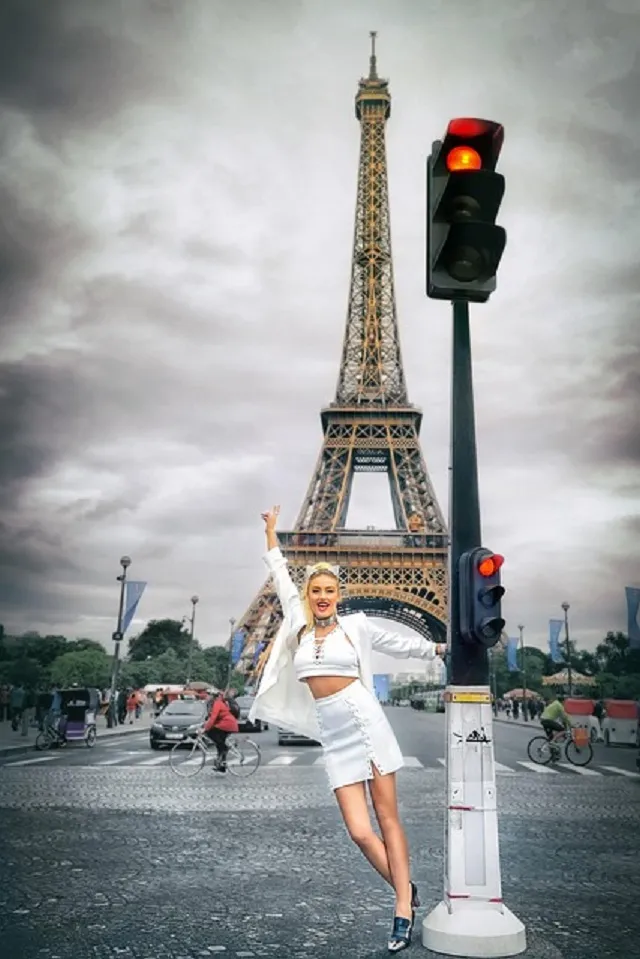
Paris has long held the throne as the world’s fashion capital—not just because of its legendary couture houses but because of something far more organic: the way ordinary people dress as they walk along its streets. Paris street fashion is not a rigid set of rules but an embodied philosophy, an attitude toward style that blends individuality, refinement, and ease. It is an aesthetic that exudes effortlessness while quietly revealing a deep understanding of proportion, fabric, and personal expression.
This article explores the roots, characteristics, evolution, and cultural influence of Paris street fashion. Along the way, it reveals why the Parisian look remains iconic and endlessly inspiring.
1. The Roots of Parisian Street Style
Parisian style didn’t appear overnight. It is the product of centuries of cultural, social, and artistic evolution.
1.1. Historical Beginnings
Paris became a fashion hub as early as the 17th century when Louis XIV promoted the French textile industry and made fashion a diplomatic tool. Later, in the 19th century, Charles Frederick Worth formalized haute couture, turning Paris into the epicenter of luxury craftsmanship.
But even as couture grew, everyday Parisians developed their own style—less opulent, more practical, yet undeniably elegant. They absorbed influences from art, literature, and intellectual life. Think of the bohemians, the flâneurs, and the café philosophers. Style was never just an adornment; it was a declaration of identity.
1.2. The Postwar Identity Shift
After World War II, Paris became a symbol of renewal and creative freedom. The Left Bank intellectuals, the New Wave filmmakers, and the modern artists adopted a distinctly minimalist, slightly rebellious aesthetic. Their uniform—turtlenecks, cigarette pants, messy bangs—was an early form of the modern Parisian street style: understated, clever, and subtly provocative.
2. The Philosophy Behind Parisian Style
Paris street fashion is less about trends and more about intention. It rests on several key principles:
2.1. Effortless, Not Careless
The famous “je ne sais quoi” of Parisian style doesn’t imply neglect. Rather, it is a careful balance between looking polished and appearing completely natural.
A Parisian outfit might be composed of:
- A crisp white shirt
- High-quality denim
- A tailored coat
- A pair of well-loved loafers
- A scarf tossed over the shoulder
None of these items shouts for attention. Instead, they work together subtly, creating an impression of grace and confidence.
2.2. Quality Over Quantity
French wardrobes tend to be smaller than American or Asian ones. Parisians prefer:
- fewer pieces
- better fabrics
- timeless cuts
- garments that last years rather than seasons
This approach aligns with a broader cultural value: savoring life, investing in experiences, and not being owned by material excess.
2.3. Subtlety and Neutrality
Paris street fashion rarely embraces loud logos or flamboyant color palettes. The typical Parisian palette leans toward:
- black
- navy
- beige
- grey
- white
- earth tones
Patterns are used sparingly—stripes being the classic exception.
3. The Staples of Paris Street Fashion
3.1. The Trench Coat
Nothing embodies Paris street style more beautifully than the trench coat. A blend of structure and fluidity, it suits nearly every season and is worn by all genders. Whether belted tightly or worn loose, its versatility makes it a staple across decades.
3.2. The Perfect Pair of Jeans
Parisian denim is rarely distressed or embellished. Straight-leg, slim, or subtly wide cuts dominate. Paired with a blazer or a simple tee, jeans represent the fusion of comfort and sophistication.
3.3. Tailored Blazers
A blazer in Paris is more than work attire—it is the backbone of everyday style. Worn over T-shirts, knits, or camisoles, it instantly elevates an outfit.
3.4. Breton Stripes
The Breton top is a cultural icon. Initially worn by sailors, it became a symbol of French chic after Coco Chanel introduced it to women’s wardrobes. Today, it remains a fixture of Parisian casualwear.
3.5. Scarves
Scarves in Paris are not just accessories; they are expressions of personality. A silk scarf can reflect elegance; a wool scarf can suggest nonchalant coziness. The way it is tied—loosely knotted, wrapped twice, or draped—reveals the wearer’s mood.
3.6. Footwear: Simplicity Reigns
Common Paris street-style shoes include:
- loafers
- ballet flats
- black ankle boots
- white leather sneakers
- minimal heels
Parisian shoes prioritize comfort for the city’s many cobblestone streets while maintaining stylistic integrity.
4. The Modern Paris Street Style Scene
As global fashion has accelerated, Paris has retained its distinct voice. But it has also evolved.
4.1. Influences from Global Street Culture
Paris style today incorporates elements borrowed from:
- Scandinavian minimalism
- Japanese structured silhouettes
- American workwear
- London underground subcultures
Yet it filters them through a Parisian lens, resulting in looks that remain refined despite international variety.
4.2. The Role of Social Media
Instagram, TikTok, and fashion-week street photography have made Paris street style more visible worldwide. Influencers like Jeanne Damas, Camille Charrière, and Léna Mahfouf have turned everyday Parisian fashion into global inspiration. Still, the Paris look has not lost its authenticity, partly because its roots are cultural rather than performative.
4.3. Genderless and Sustainability Trends
Young Parisians embrace:
- gender-neutral silhouettes
- vintage shopping
- upcycling
- eco-conscious brands
Stores like Kiliwatch, Episode, and numerous pop-up vintage markets have become fixtures of the Paris street-style ecosystem.
5. Paris Arrondissements and Their Distinct Styles
Different neighborhoods reveal different aesthetics.
5.1. Le Marais
Trendy, youthful, artsy. Expect:
- oversized coats
- unique accessories
- bold glasses
- carefully curated vintage finds
Le Marais is the beating heart of Paris’s creative fashion community.
5.2. Saint-Germain-des-Prés
Classic, intellectual, refined. Think:
- tailored trousers
- trench coats
- loafers
- neutral palettes
This is where the traditional French chic lives.
5.3. Canal Saint-Martin
Bohemian and eclectic. A mix of:
- vintage denim
- graphic tees
- quirky hats
- colorful accents
Effortless but with a playful twist.
5.4. Champs-Élysées & 8th Arrondissement
Polished, elegant, and often luxurious. Expect:
- designer coats
- structured handbags
- premium leather boots
This area reflects the intersection of fashion and affluence.
6. Paris Fashion Week and the Street Runway
During Paris Fashion Week (PFW), the streets become as important as the runways. Fashion enthusiasts, editors, and influencers fill the city with a heightened sense of creativity.
6.1. The PFW Street Style Phenomenon
Unlike the everyday Parisian aesthetic, PFW street style is more experimental. You’ll see:
- bold colors
- avant-garde silhouettes
- couture accessories
- exaggerated layering
But even here, the French touch persists: outfits maintain a sense of coherence and purpose.
6.2. The Symbiosis Between Street and Runway
Designers often take cues from what they see outside their shows. Meanwhile, show attendees interpret runway concepts and translate them into wearable street outfits. This ongoing dialogue keeps Paris at the forefront of global fashion innovation.
7. The Psychology of Paris Street Fashion
Parisian fashion is a reflection of cultural attitudes.
7.1. Confidence in Restraint
Instead of shouting, Paris street fashion whispers. It signals:
- confidence
- independence
- intellectualism
- sensuality without explicitness
The style communicates, “I don’t need to prove myself; my presence is enough.”
7.2. The Art of Imperfection
A key aspect of Parisian charm is embracing small imperfections—a messy bun, slightly smudged eyeliner, or a loosely tucked shirt. These imperfections make the look human and approachable.
7.3. Individualism Within Uniformity
Although there is coherence in Parisian style, each person adds their own twist:
- a unique bag
- a vintage accessory
- a surprising color pop
The result is a collective aesthetic composed of individual stories.
8. How to Dress Like a Parisian (Without Being One)
You don’t need to live in Paris to adopt its style principles.
8.1. Build a Strong Foundation
Start with timeless pieces:
- white shirt
- tailored blazer
- simple black dress
- straight-leg denim
- quality knitwear
- trench coat
Invest in fabrics like wool, cashmere, and cotton.
8.2. Edit Your Closet
Parisian style thrives on less. Keep what fits well and sells your personality.
8.3. Prioritize Fit and Proportion
Paris street fashion prizes perfect fits. Clothes should skim the body—not cling, not drown.
8.4. Keep Makeup and Hair Simple
Natural beauty is key. A Parisian-inspired look might include:
- tousled hair
- minimal foundation
- red lipstick for confidence
8.5. Accessorize with Purpose
Choose one or two meaningful accessories—a silk scarf, structured bag, or gold earrings—rather than piling them on.
9. The Future of Paris Street Fashion
Parisian street fashion continues evolving while retaining its DNA.
9.1. Sustainability as a New Core Value
As environmental awareness grows, Paris is shifting toward circular fashion. Upcycled fabrics, swapped garments, and long-lasting staples represent the new chic.
9.2. Diversity and Inclusion
Paris is becoming more multicultural, and its fashion reflects this diversity. Afro-Parisian, North African, Asian-French, and other communities are bringing new textures, prints, and silhouettes into the Parisian vocabulary.
9.3. Technological Integration
Smart fabrics, digital fashion, and AI-influenced designs are subtly entering the scene—but always in a restrained, Parisian way.
Conclusion: The Timeless Magic of Paris Street Fashion
Paris street fashion endures because it is more than clothing. It is a lifestyle, a philosophy, an attitude toward beauty and life. It values authenticity over spectacle, structure over excess, and emotion over perfection.
The Parisian walking down the boulevard might seem effortlessly elegant, but their look is the result of conscious choices rooted in culture, history, and self-awareness. They dress not for attention, but for themselves—and paradoxically, that’s exactly what makes the world watch.
Paris street fashion will continue to evolve, yet it will always retain that elusive je ne sais quoi—a whisper of mystery, confidence, and artistry that no other city quite captures.


