
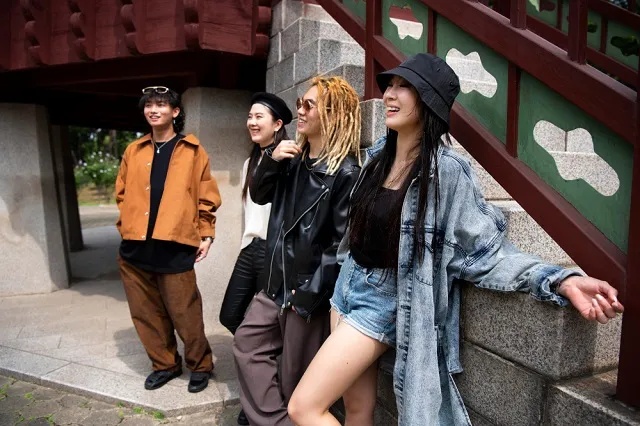
Harajuku is more than a neighborhood in Tokyo—it is a global symbol of creativity, rebellion, self-expression, and youth culture. For decades, the streets near Harajuku Station, especially Takeshita Street and Omotesandō, have pulsed with a fashion scene unlike anywhere else on Earth. Here, clothing becomes language; style becomes identity; and everyday sidewalks turn into runways of individuality. From Lolita elegance to Decora maximalism, from punk-inspired looks to futuristic tech-wear, Harajuku has consistently reinvented itself while influencing fashion movements worldwide.
This article explores the origins, evolution, aesthetics, substyles, and cultural significance of Harajuku street fashion—an ever-changing phenomenon that continues to captivate designers, photographers, tourists, and trend-setters from every corner of the world.
1. The Origins of Harajuku Fashion: Post-War Roots and Youthful Rebellion
The story of Harajuku fashion begins long before the neon colors and platform boots took over the streets. After World War II, the Harajuku area became home to American soldiers and their families stationed at nearby military housing. As Western products and clothing began trickling into Japan, curious young people flocked to Harajuku to observe new cultural influences. The area quickly developed into a site of cultural exchange.
By the 1970s, Harajuku had grown into a hotspot for young people seeking alternative forms of expression. The development of Omotesandō, the opening of various boutiques, and the growing global exposure of Japanese design created fertile ground for experimentation. Youth culture in Japan was beginning to carve out its own space—separate from traditional norms and conservative fashion expectations.
But it was in the 1980s and 1990s that Harajuku truly exploded into a global fashion epicenter. This era introduced the iconic visual diversity that would later become synonymous with the district.
2. The Rise of Subcultures: How Harajuku Became a Style Playground
Harajuku is not defined by a single fashion movement—rather, it thrives on an ever-shifting mosaic of subcultures. These subcultures arose organically, often influenced by music, manga, Western pop culture, and Japanese streetwear innovation. They created a dynamic environment where no two looks were ever the same.
Key Rebellions That Fueled the Scene
- Against Conformity:
Japanese society traditionally values harmony and subtlety. Harajuku, in contrast, celebrates individuality and flamboyance. Young people used clothing as a gentle rebellion against societal expectations. - Against Fast Fashion and Uniformity:
Early Harajuku fashion embraced handmade, thrifted, or heavily customized pieces. The goal was uniqueness, not mass consumption. - Against Traditional Gender Roles:
Many styles—especially visual kei and various Lolita substyles—played with gender presentation, allowing freedom beyond conventional categories.
These underlying philosophies helped Harajuku evolve into one of the world’s most imaginative fashion communities.
3. Major Harajuku Fashion Styles and Subcultures
Harajuku fashion cannot be captured through a single aesthetic; it is a spectrum. Below are some of the most iconic styles that have shaped the district’s identity.
3.1 Lolita Fashion
Perhaps the most internationally recognized Harajuku style, Lolita fashion draws inspiration from Victorian and Rococo clothing. It emphasizes modesty, elegance, and doll-like silhouettes.
Key Features:
- Knee-length skirts or dresses with petticoats
- Lace trims and ribbons
- Mary Jane shoes or platform heels
- Bonnets, headdresses, or elegant accessories
- Pastel (Sweet Lolita) or dark gothic palettes (Gothic Lolita)
Lolita fashion became a global movement thanks to brands like Baby, The Stars Shine Bright, Angelic Pretty, and the influence of designers like Mana from the band Malice Mizer.
3.2 Decora
If maximalism had a capital city, it would be Harajuku—and its mascot would be Decora fashion.
Key Features:
- Dozens of colorful hair clips, bracelets, and accessories
- Layered T-shirts and skirts
- Cartoon motifs and bright, neon palettes
- Playful, childlike energy
The motto of Decora seems to be “more is more.” The style peaked in the 2000s but remains a beloved representation of Harajuku’s joyful chaos.
3.3 Punk and Gothic Styles
Harajuku has long been home to Japanese interpretations of punk, goth, and alternative fashion.
Key Features:
- Dark clothing with elaborate detailing
- Doc Martens, platform boots
- Leather, lace, and torn fabrics
- Piercings and bold makeup
These styles were strengthened by Japan’s thriving rock and visual kei music scenes, making Harajuku a gathering place for alternative youth.
3.4 Visual Kei
Inspired by flamboyant Japanese rock bands like X Japan or The Gazette, visual kei blends glam rock, goth, and avant-garde fashion.
Key Features:
- Dramatic makeup and hairstyles
- Androgynous silhouettes
- Elaborate jackets, boots, and leather accessories
Although visual kei is primarily music-based, its fashion presence helped diversify Harajuku’s street style.
3.5 Kawaii (“Cute”) Fashion
Kawaii is not a single style but a cultural force in Japan. Harajuku is one of its brightest stages.
Key Features:
- Pastel colors
- Plush toys and cartoon accessories
- Soft makeup and childlike silhouettes
Kawaii fashion can be subtle or extreme, blending with other styles such as decora, fairy kei, or even Lolita.
3.6 Gyaru and Kogal Styles
Although more associated with Shibuya, gyaru styles often spilled into Harajuku in the late 1990s and 2000s.
Key Features:
- Tanned skin
- Dramatic eye makeup
- Bleached hair
- Trendy Western-inspired outfits
Gyaru challenged traditional beauty norms in Japan, just as Harajuku challenged traditional fashion norms.
3.7 Avant-Garde and Designer Streetwear
In recent years, Harajuku’s fashion scene has embraced more futuristic, minimalist, and techwear-inspired looks.
Key Features:
- Clean lines and asymmetrical shapes
- Unconventional fabrics
- Monochrome palettes (often black)
- Influences from brands like Yohji Yamamoto and Comme des Garçons
This modern, conceptual aesthetic continues Harajuku’s legacy of innovation.
4. The Role of Icons, Media, and Pop Culture
Harajuku fashion didn’t rise in isolation. It was amplified by influential figures and media platforms that introduced the scene to the world.
4.1 FRUiTS Magazine
Perhaps the single most important visual archive of Harajuku fashion, FRUiTS, founded by photographer Shoichi Aoki in 1997, documented street snaps of everyday youth. The magazine’s pages showcased creativity that couldn’t be found in mainstream fashion.
4.2 Gwen Stefani and Western Influence
When Gwen Stefani released “Harajuku Girls” in the mid-2000s, it brought massive global attention to the scene. Although opinions about the representation vary, the exposure cemented Harajuku as an international symbol of vibrant youth culture.
4.3 Social Media and Today’s Influence
Instagram, TikTok, and fashion YouTubers have helped preserve and revive Harajuku styles, even as the district evolves. Many global influencers travel to Japan specifically to collaborate with Harajuku fashion creatives.
5. Shopping and Fashion Landmarks in Harajuku
While the scene changes constantly, some locations have remained iconic to the Harajuku experience.
5.1 Takeshita Street
The most famous artery of Harajuku fashion, packed with boutiques, thrift stores, accessory shops, and themed cafés. It is chaotic, colorful, and quintessential Harajuku.
5.2 Laforet Harajuku
A fashion mall filled with indie boutiques, avant-garde designers, and experimental brands. Many of Japan’s most influential designers had their start here.
5.3 Cat Street
A stylish backstreet connecting Harajuku and Shibuya, known for its curated vintage shops and trendy but laid-back energy.
These locations help sustain the flow of creativity that defines Harajuku.
6. Is Harajuku Fashion Dying? The Modern Evolution
A recurring question in global discussions about Japanese street fashion is: “Is Harajuku dying?”
The answer is complex.
6.1 Changes in the Landscape
- The closure of some iconic boutiques
- Increased tourism and commercialization
- Influence of global fast fashion
- Shifts toward minimalist aesthetics among youth
These trends have visibly changed Takeshita Street and other parts of Harajuku.
6.2 But the Spirit Lives On
While the most extreme styles are less common on daily streets, Harajuku is far from disappearing.
Instead, it is evolving:
- Subcultures now thrive more online and at meet-ups rather than spontaneously on the street
- Young creatives are adopting new fusion styles
- Vintage fashion, gender-neutral clothing, and experimental designer wear are gaining space
Harajuku fashion is not dying—it is simply changing shape to reflect contemporary youth culture.
7. The Philosophy of Harajuku: Why It Matters
Beyond clothing and aesthetics, Harajuku street fashion carries deeper social and cultural significance.
7.1 A Safe Space for Self-Expression
For many young Japanese individuals, Harajuku represents freedom from school uniforms, workplace expectations, and social obligations.
7.2 A Celebration of Diversity
Harajuku embraces:
- LGBTQ+ expression
- Gender-fluid fashion
- Cross-cultural experimentation
- Subculture blending
It is one of Japan’s most inclusive and expressive fashion environments.
7.3 Creativity Without Rules
There is no correct way to dress in Harajuku. The lack of rules is the rule. This creative freedom inspires designers worldwide, from haute couture to streetwear.
7.4 Global Influence
Harajuku has influenced:
- K-fashion and global streetwear
- Western pop stars and designers
- Anime, manga, and cosplay culture
- Fast fashion trends (albeit controversially)
The district’s impact is woven into global fashion history.
8. The Future of Harajuku Street Fashion
What lies ahead for Harajuku?
8.1 Hybrid Styles
As digital culture accelerates style evolution, Harajuku is increasingly becoming a fusion of:
- Vintage nostalgia
- Techwear futurism
- K-fashion minimalism
- Traditional Japanese influences
- Sustainable fashion choices
The next wave is likely to blend individuality with global influences.
8.2 Community-Driven Creativity
Events, meet-ups, fashion walk gatherings, and online communities (especially on TikTok and Instagram) are helping sustain the spirit of Harajuku even as the commercial landscape shifts.
8.3 A New Generation of Designers
Young designers inspired by Harajuku’s legacy continue to open small boutiques and online brands, keeping the subculture alive.
Conclusion: Harajuku as a Timeless Creative Sanctuary
Harajuku street fashion is more than bright colors, frilly dresses, or outrageous hairstyles. It is a cultural movement built on imagination, rebellion, and the freedom to be authentically oneself. Over the decades, the district has reinvented itself countless times, but its core identity has remained constant: a sanctuary for individuality.
Whether you walk down Takeshita Street today or flip through vintage issues of FRUiTS, Harajuku’s fashion spirit shines through—bold, expressive, and endlessly creative. It stands as a reminder that fashion can be art, identity, protest, and play all at once.
Harajuku is not just a place. It is a mindset. And as long as people crave self-expression, Harajuku street fashion will continue to inspire the world.


