
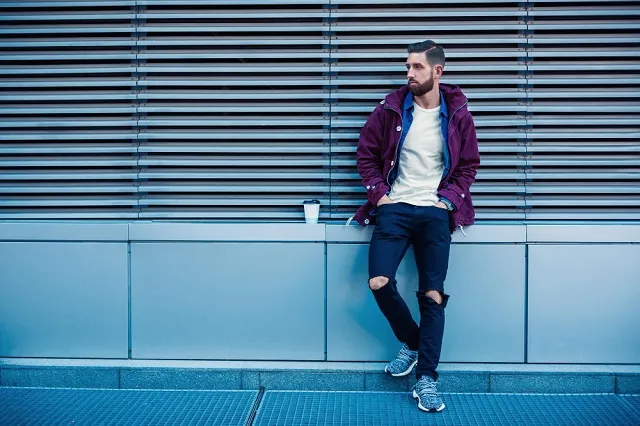
Street fashion for men has evolved from a niche countercultural expression into one of the most influential forces in global style. It’s the language of the city—shaped by subcultures, music movements, social media, and real-world functionality. More than just clothing, street fashion is a statement about identity, creativity, and belonging. Rooted in authenticity rather than luxury, it challenges traditional fashion rules and instead celebrates personal expression.
This article explores the history, key elements, and cultural importance of men’s street fashion, while breaking down the styles, garments, and trends that define the modern urban wardrobe.
1. The Origins of Men’s Street Fashion
Street fashion is often described as “style from the ground up.” Unlike traditional fashion houses, which design from the top of an industry pyramid, street fashion emerges organically from youth movements, music scenes, and city streets.
1.1 Skate Culture
Skateboarding in the 1970s and 1980s played a major role. Baggy jeans, oversized graphic tees, hoodies, and sneakers weren’t aesthetic choices—they were designed for function. Skaters needed flexible clothing that could withstand falls, and shoes with grip and durability. Brands like Vans, Santa Cruz, and later Supreme created the earliest foundations of street style.
1.2 Hip-Hop Influence
No culture has influenced men’s street fashion more than hip-hop. From the 1980s onward, hip-hop introduced:
- Tracksuits
- Bucket hats
- Timberland boots
- Oversized silhouettes
- Bold jewelry (“bling”)
- Logo-heavy pieces
Hip-hop’s fashion DNA continues to influence luxury brands today, from Gucci to Balenciaga.
1.3 Japanese Streetwear Revolution
Japan developed its own street style ecosystem in the 1990s, driven by Harajuku fashion and designers like Nigo (A Bathing Ape) and Hiroshi Fujiwara. Japanese streetwear blended Western street style with local creativity and craftsmanship. This fusion made Japanese streetwear a global phenomenon.
1.4 The Rise of Sneaker Culture
Sneakers became not just footwear but collectible objects. The Air Jordan line, Nike collaborations, and later Adidas Yeezy helped push sneakers into the mainstream. Today, sneakers are at the heart of nearly every street fashion outfit.
2. Key Characteristics of Men’s Street Fashion
Street fashion evolves constantly, but certain characteristics define the look:
2.1 Comfort Over Formality
Street style prioritizes relaxed fits, breathable fabrics, and layering. Comfort is king.
2.2 Mix of High and Low Fashion
Street fashion blurs the lines between luxury and casual. A designer jacket might be paired with thrift-store cargo pants. This high-low contrast is intentional and foundational.
2.3 Graphic Expression
Prints, logos, patches, and artwork are central. From band tees to graffiti-style graphics, streetwear often reflects a message or cultural reference.
2.4 Individuality and DIY Culture
Custom pieces—painted jackets, altered jeans, vintage finds—reflect street fashion’s roots in self-expression.
2.5 Sneaker Identity
Sneakers often complete an outfit. Some people build entire looks around a pair of shoes.
3. Essential Pieces in Men’s Street Fashion
While street fashion encourages creativity, some pieces have become universally iconic.
3.1 Hoodies
The hoodie is arguably the streetwear uniform. Oversized silhouettes dominate today, though fitted hoodies still have their place.
How to wear it:
Layer under a bomber jacket or pair with cargos and statement sneakers.
3.2 Graphic T-Shirts
Band tees, anime prints, skate graphics, or minimalist logos—graphic tees are the personality pieces of street style.
How to wear it:
With wide-leg jeans, track pants, or layered under flannels.
3.3 Baggy/Relaxed-Fit Pants
Skinny jeans have been phased out. The modern street look embraces:
- Cargo pants
- Workwear trousers
- Wide-leg denim
- Joggers
These pants provide structure and comfort simultaneously.
3.4 Jackets
Streetwear’s jacket game is unmatched. Popular styles include:
- Bomber jackets
- Denim jackets
- Overshirts
- Windbreakers
- Puffer jackets
Layering is essential for the street aesthetic.
3.5 Sneakers
Sneakers are the cornerstone. Classics like Air Force 1s, Air Jordans, Dunks, and Adidas Superstars remain staples. Runners and dad shoes have also become central thanks to the normcore trend.
3.6 Accessories
Accessories elevate an outfit:
- Beanies and caps
- Crossbody bags
- Chunky chains
- Sunglasses
- Watches (often digital or vintage)
Street fashion’s accessories are functional, bold, and often gender-neutral.
4. Popular Styles Within Men’s Street Fashion
Street style is not one single way of dressing. It’s a collection of sub-styles that blend and overlap.
4.1 Skate-Inspired Street Style
Loose fits, layered tops, and scuffed sneakers define this look. Skate brands like Palace, Vans, and Supreme dominate this category.
Key items:
Baggy jeans, flannel shirts, skate shoes.
4.2 Techwear
Futuristic and utility-driven, techwear features waterproof materials, zippers, straps, and muted colors.
Key brands:
Acronym, Stone Island Shadow Project.
Key items:
Cargo pants, tactical vests, breathable outerwear.
4.3 Minimalist Street Style
Not all street fashion is loud. Minimalist streetwear uses simple silhouettes and solid colors.
Think:
Clean hoodies, monochrome outfits, crisp sneakers.
4.4 Vintage/Thrifted Street Style
Vintage band tees, workwear jackets, and retro sneakers create a timeless, curated look.
Why it’s popular:
Unique pieces + sustainability.
4.5 High-Fashion Streetwear
This style merges luxury with street elements. Think Balenciaga sneakers, Off-White hoodies, and Louis Vuitton crossbody bags.
4.6 K-Street Fashion (Korean Street Style)
Characterized by oversized silhouettes, layered fits, and a clean, contemporary vibe.
Key items:
Long coats, loose trousers, chunky sneakers.
5. The Cultural Power of Street Fashion
Street fashion is more than clothing—it’s a cultural movement.
5.1 A Reflection of Rebellion
Streetwear’s roots lie in challenging authority and rejecting formal dress codes. From punk to hip-hop, its foundation is resistance and individuality.
5.2 A Middle Finger to Luxury Gatekeeping
In recent decades, luxury brands have adopted streetwear aesthetics. Yet ironically, street fashion originally rejected luxury fashion for being out of touch.
Today’s blending of luxury and street fashion shows how deeply street style has influenced global culture.
5.3 Community and Identity
Street fashion fosters communities:
- Sneaker collectors
- Skaters
- Hip-hop fans
- Street photographers
- Fashion subreddits
Fashion becomes a shared language.
5.4 Social Media and Street Style
Instagram, TikTok, and street fashion YouTubers have shifted style from brands to creators. Influencers now shape trends faster than designers, and micro-trends evolve at lightning speed.
6. How to Build a Street Fashion Wardrobe (Beginner Friendly)
If you want to build a streetwear wardrobe without spending a fortune, here’s a strategy.
6.1 Start with the Basics
You don’t need a closet full of hype pieces; you need reliable basics:
- White and black tees
- Neutral hoodies
- One good pair of cargo pants
- Classic sneakers (Air Force 1s, Vans, Adidas Campus)
Solid basics allow you to build multiple outfits.
6.2 Add Statement Pieces Slowly
Statement pieces give personality:
- A graphic tee
- A bold jacket
- A colorful pair of sneakers
Choose pieces that reflect your interests—music, art, or culture.
6.3 Experiment with Silhouettes
Oversized fits are key in modern streetwear. Test different proportions:
- Baggy pants + fitted top
- Oversized hoodie + slim cargos
- Wide-leg pants + cropped jacket
Silhouette experimentation is where street style becomes personal.
6.4 Don’t Forget Accessories
A simple cap or bag can transform an outfit. Accessories also allow you to experiment without big commitments.
6.5 Mix High and Low
A street fashion rule: brand doesn’t matter—style does.
A thrifted jacket paired with clean sneakers often looks better than a head-to-toe designer.
7. Street Fashion Trends for Men (Current and Emerging)
Street fashion doesn’t stand still. Here are important trends shaping the landscape:
7.1 Baggy Everything
Oversized fits dominate: pants, tees, jackets—even accessories. This trend is heavily influenced by both skate culture and 90s nostalgia.
7.2 Workwear Resurgence
Workwear brands like Carhartt, Dickies, and Wrangler have become street staples due to their durability and utility aesthetic.
7.3 Retro Sneakers
Vintage silhouettes like the Adidas Samba, Puma Suede, and New Balance 550 have made a huge comeback.
7.4 Sports-Inspired Street Style
Track jackets, football jerseys, and running shoes blend sport with street.
7.5 Gorpcore
Outdoor gear–inspired fashion (puffer jackets, fleece, hiking shoes) has exploded thanks to its practicality.
7.6 Sustainable Streetwear
Secondhand and upcycled pieces are increasingly popular as sustainability becomes a priority for younger generations.
8. Street Fashion Icons and Influencers
Many individuals have shaped men’s street fashion with their unique style.
8.1 Tyler, The Creator
Known for bright colors, vintage influences, and bold individuality.
8.2 A$AP Rocky
Bridges streetwear with high fashion, influencing global trends.
8.3 Kanye West
Love him or not, his impact on sneakers and silhouettes is undeniable.
8.4 Jerry Lorenzo
Founder of Fear of God, known for minimal and oversized street style.
8.5 Japanese Harajuku Icons
Creators like Nigo and Fujiwara helped define global streetwear DNA.
9. Street Fashion in Different Cities
Each major city has its own style identity.
9.1 New York
Gritty, functional, layered. Timeless staples like Yankees caps, Timberlands, and bomber jackets define NYC style.
9.2 Los Angeles
Relaxed, skate-influenced fits dominate: graphic tees, Vans, and light layers.
9.3 Tokyo
Experimental, colorful, and detail-oriented—Tokyo is the beating heart of street fashion innovation.
9.4 Seoul
Clean, oversized, and modern—Korean street fashion merges minimalism with flair.
9.5 London
A mix of punk heritage, modern tailoring, and urban edge.
Each scene contributes to the global street fashion conversation.
10. The Future of Men’s Street Fashion
Street fashion men is constantly evolving, but several long-term trends are clear:
10.1 Comfort Will Continue to Dominate
Post-pandemic, fashion embraced comfort, and this shift is here to stay.
10.2 Sustainability Will Shape Innovation
More brands will explore recycled fabrics, upcycling, and slow-fashion models.
10.3 Digital Influence Will Increase
AI-generated fashion, virtual wardrobes, and digital stylists will shape how people experiment with looks.
10.4 Streetwear Will Remain Culturally Powerful
As long as music, art, and youth culture evolve, street fashion men will too.
Conclusion
Street fashion for men is much more than a clothing style—it is a complex cultural ecosystem built on self-expression, community, and creativity. From skate parks to hip-hop clubs, from Tokyo’s Harajuku streets to New York’s boroughs, street fashion draws inspiration from everyday life and turns it into a global aesthetic.
Whether you’re into minimalist streetwear, skate style, techwear, or vintage pieces, street fashion men give you the freedom to express your identity without rules. Its power lies in authenticity, individuality, and constant evolution. And in a world where fashion trends shift faster than ever, the raw, personal nature of street style ensures it will always remain relevant.


