
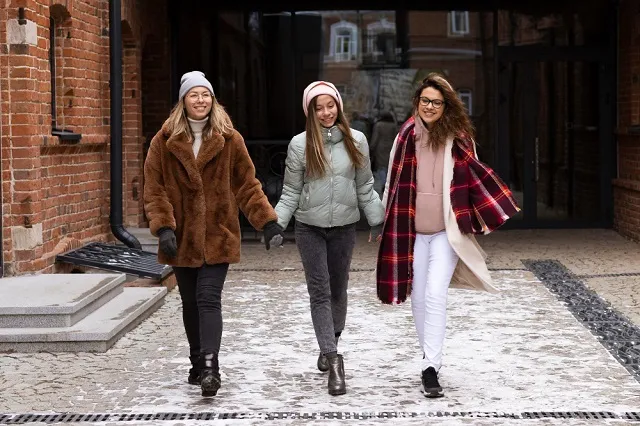
Italy is synonymous with style. From the runways of Milan to the cobbled lanes of Palermo, fashion here is less about following rules and more about making a quiet, confident statement. Winter in Italy isn’t a time for hiding under shapeless garments — instead, it’s when Italian street style truly shines. Where else can a downpour, a chilly tram stop, and an espresso pause become a stage for tailored coats, statement accessories, and effortless polish? This article explores the look, the logic, and the practical tips behind street winter fashion in Italy so you can adopt a version of that distinct, lived-in elegance.
The Italian fashion DNA: effortless, tailored, considered
Before we talk about garments, it helps to understand a few cultural notes. Italian street style is rooted in a few recurring values:
- Quality over quantity. Italians often invest in fewer pieces that are well-made and last for seasons.
- Fit matters. Even casual clothes are tailored to flatter. Baggy doesn’t mean sloppy; it’s balanced.
- Subtlety and confidence. Boldness exists, but mostly through cut, texture, or a deliberate accessory — not shouty branding.
- Context-aware dressing. People dress with the day’s rhythm in mind: work, aperitivo, walk, dinner. Versatility is prized.
In winter, those values translate into layered looks that are both practical and chic.
The foundation: smart layering
Layering is more than piling on clothes — it’s about building a silhouette that’s warm, proportional, and interesting up close.
- Base layer: Fine-gauge merino or cashmere turtlenecks and long-sleeve tees are staples. They trap heat without adding bulk and can peek out beneath coats for a refined contrast.
- Mid layer: Knitted sweaters (crew, turtleneck, or a relaxed fisherman knit) or lightweight quilted jackets. Italians favour quality yarns and artisan knits — texture is key.
- Outer layer: The coat is the showpiece. A well-cut overcoat in wool or a tailored padded jacket completes the look.
Pro tip: Keep proportions balanced — if your coat is oversized, choose a slimmer mid-layer; if your trousers are wide, consider a fitted top to maintain a clean silhouette.
The coat: winter’s centerpiece
Arguably, the most important purchase for an Italian winter wardrobe. Popular styles seen in the streets:
- Classic wool overcoat: Single- or double-breasted, knee to calf length, neutral tones (camel, charcoal, navy). Perfect for work and the evening.
- Puffer coats and parkas: In Italy, these are often fitted, matte, and sometimes belted. You’ll see both luxe technical down and minimalist quilted styles.
- Shearling and teddy coats: Warm and tactile; Italians wear them with restraint — more texture than loud color.
- Trench-meets-winter pieces: Heavy cotton or waxed trenches lined for warmth; great for rainy northern cities.
Materials matter: wool blends, cashmere trims, and water-resistant finishing make a coat work across weather. Tailoring is the differentiator — even casual puffers have defined shoulders or a nipped waist.
Colours and prints: restrained with personality
Italian winter streets skew toward neutrals: camel, beige, grey, navy, black, and olive. But muted jewel tones — deep burgundy, forest green, midnight blue — appear as statement pieces. Prints are rare on big outerwear but common in scarves, knitwear, or silky blouses layered underneath.
Accessories often provide the single point of color or pattern: a printed silk scarf, a patterned sock peeking above a boot, or a leather bag in a rich hue.
Shoes: form meets function
Italian footwear for winter is an art of balance: elegance that can handle cobblestones, tram tracks, and puddles.
- Leather boots: Chelsea, lug-sole combat boots, and ankle boots in polished or matte leather. Soles are sturdy but not clunky.
- Dress boots: Slightly higher shafts and leather soles with a discreet lug for traction — ideal for dressier outings.
- Sneakers: Clean, minimal trainers — leather or suede — are accepted everywhere, paired with everything from jeans to wool trousers.
- Loafers (with socks): In milder winter weather, you’ll still see loafers worn with visible, tasteful socks.
Care is part of the look: polished leather and well-cared soles reflect attention to detail.
Accessories: the finishing touch
Italians treat accessories as investments in mood rather than flash:
- Scarves: Silk for subtler days; chunky wool for cold snaps. How you knot it communicates: a tidy knot for formality, a loose drape for casualness.
- Hats and gloves: Leather gloves, wool beanies in neutral tones, and newsboy caps in some northern cities.
- Bags: Structured leather totes and crossbodies are popular. Even backpacks tend to be sleek and leather or technical with refined finishes.
- Sunglasses: Winter sun is still bright — classic frames (aviators, wayfarers) add an instant veneer of cool.
Minimal jewelry — a gold chain, modest rings — completes the ensemble without overpowering it.
Regional flavour: north vs south
Italy is stylistically diverse. Northern cities like Milan and Turin are fashion-forward, architectural, and sometimes experimental. Expect polished, fashion-conscious looks — designer outerwear mixed with streetwear elements. Milanese street style can be sharper: tailoring, sculpted coats, and designer accessories.
Rome mixes elegance with a touch of la dolce vita ease: flowing coats, silk shirts, and more color. Southern cities like Naples and Palermo blend tradition and carnality: lively color palettes, lighter layers (in milder winters), and a strong focus on artisanal leather and tailoring.
Understanding regional nuances helps if you’re dressing to fit in or deliberately stand out.
Menswear vs womenswear: shared principles, different expressions
Both genders share the Italian trifecta of fit, quality, and simplicity. Differences:
- Menswear: Often structured, with attention to tailoring and clean lines. Key pieces include well-cut trousers, turtlenecks, overcoats, and polished boots. Streetwear influences are present — think refined hoodies under coats — but always balanced.
- Womenswear: More experimentation with silhouettes — oversized coats, layered dresses with wool tights, and playful textures (leather skirts, chunky knits). Accessories and footwear have a more visible variety and are used to pivot a look from day to night.
Unisex items — structured coats, scarves, and sneakers — blur lines and are commonly worn across genders.
The role of sustainability and craftsmanship
Italian fashion has a long heritage of craftsmanship. Today, sustainability influences winter street style choices:
- Repair and care: Italians often repair and maintain garments rather than discard them. Shoe cobblers and tailors are still commonly used.
- Local craftsmanship: Hand-finished knitwear, small-batch leatherwork, and slow fashion labels are valued.
- Conscious shopping: Secondhand and vintage markets are a growing part of the scene, especially among younger crowds in cities like Milan and Florence.
Opting for durable coats and timeless pieces aligns with Italian attitudes toward long-term style.
Practical outfit ideas you can copy
Here are concrete combinations that capture the Italian winter street vibe.
- Milan Minimalist (Women)
- Camel double-breasted wool coat (calf-length)
- Black merino turtleneck
- High-waisted straight black trousers
- Leather Chelsea boots
- Structured black leather tote, thin gold hoop earrings
- Roman Layered Elegance (Men)
- Navy tailored overcoat
- Grey cashmere sweater
- Crisp white shirt peeking below sweater hem
- Dark denim or wool trousers
- Polished leather dress boots, silk scarf tied casually
- Contemporary Urban (Unisex)
- Oversized padded jacket with matte finish
- Slim knitted hoodie or roll-neck
- Tailored joggers or tapered trousers
- Chunky lug-sole boots
- Minimal crossbody bag, beanie
- Southern Flair (Women)
- Mid-length shearling or textured wool coat
- Patterned silk blouse
- Leather midi skirt, opaque tights
- Low-heeled ankle boots
- Statement leather shoulder bag
Street photography and the influence of Italian cities
Photographers gravitate to Italy’s winter streets for good reason: the light is soft, the architecture is dramatic, and the clothes stand out against historic backdrops. Street-style imagery from Milan Fashion Week in January is especially influential — it’s where tailored winter wear meets trend-led details. If you’re inspired by photos, use them to identify silhouettes and color palettes rather than copy looks wholesale; Italian style remains personal, not a costume.
Where to shop and what to look for
For authentic Italian winter pieces:
- Flagship boutiques and ateliers: Milan, Florence, and Rome house both luxury ateliers and smaller makers. Look for quality labels that emphasize fabric and cut.
- Markets and vintage shops: Excellent places to find unique coats, leather goods, and scarves with character.
- Local tailors and cobblers: Modify or repair found pieces — small adjustments can make off-the-rack items feel bespoke.
- High street with care: Many accessible brands produce good-quality basics — pick classic colors and fabrics.
When shopping, inspect seams, lining, and fabric weight. A wool coat should feel substantial but not stiff; linings should be neat, and sleeves should be easily cuffed.
Dressing for the weather: practicalities
Italy’s winter varies: the north can be icy and snowy, the central regions are cool and rainy, southern areas are milder. Practical tips:
- Layer smartly for varying indoor/outdoor temperatures.
- Waterproof or water-resistant outerwear is invaluable in rainy cities.
- Footwear with a good grip helps with wet cobbles.
- Carry a compact umbrella — stylish ones are part of the ensemble.
- Choose breathable fabrics for long days moving between warm interiors and cold streets.
Avoiding clichés: how not to overdo it
Italian winter fashion is about restraint. Avoid these common missteps:
- Over-branding: logos everywhere read as trying too hard.
- Too many competing textures or colors: pick one statement piece and keep the rest subdued.
- Ignoring fit: even comfortable pieces should have some structure.
- Treating fashion like costume: authenticity comes from wearing what suits you, not just copying street photos.
How to adapt Italian winter style to your wardrobe
You don’t need to live in Italy to borrow the aesthetic. Start with three projects:
- Invest in one great coat. Neutral, well-tailored, and proportionate to your body.
- Build the base layers. Cashmere or merino knits and crisp shirts that mix and match.
- Curate accessories. One structured bag, a silk scarf, and leather gloves will elevate many outfits.
Experiment with proportions gradually. If you’re used to very slim fits, try a slightly relaxed coat first; if you love volume, anchor it with a fitted mid-layer.
Final word: dressing like you mean it
Street winter fashion in Italy is equal parts practicality and poetry — clothes that work hard but look effortless. The secret isn’t a single item but an approach: choose quality, respect fit, and accessorize with intention. Whether you’re navigating the fashion capital of Milan or sipping cappuccino on a Roman square, dressing with considered layers and subtle polish will make the everyday feel a little more beautiful.


