
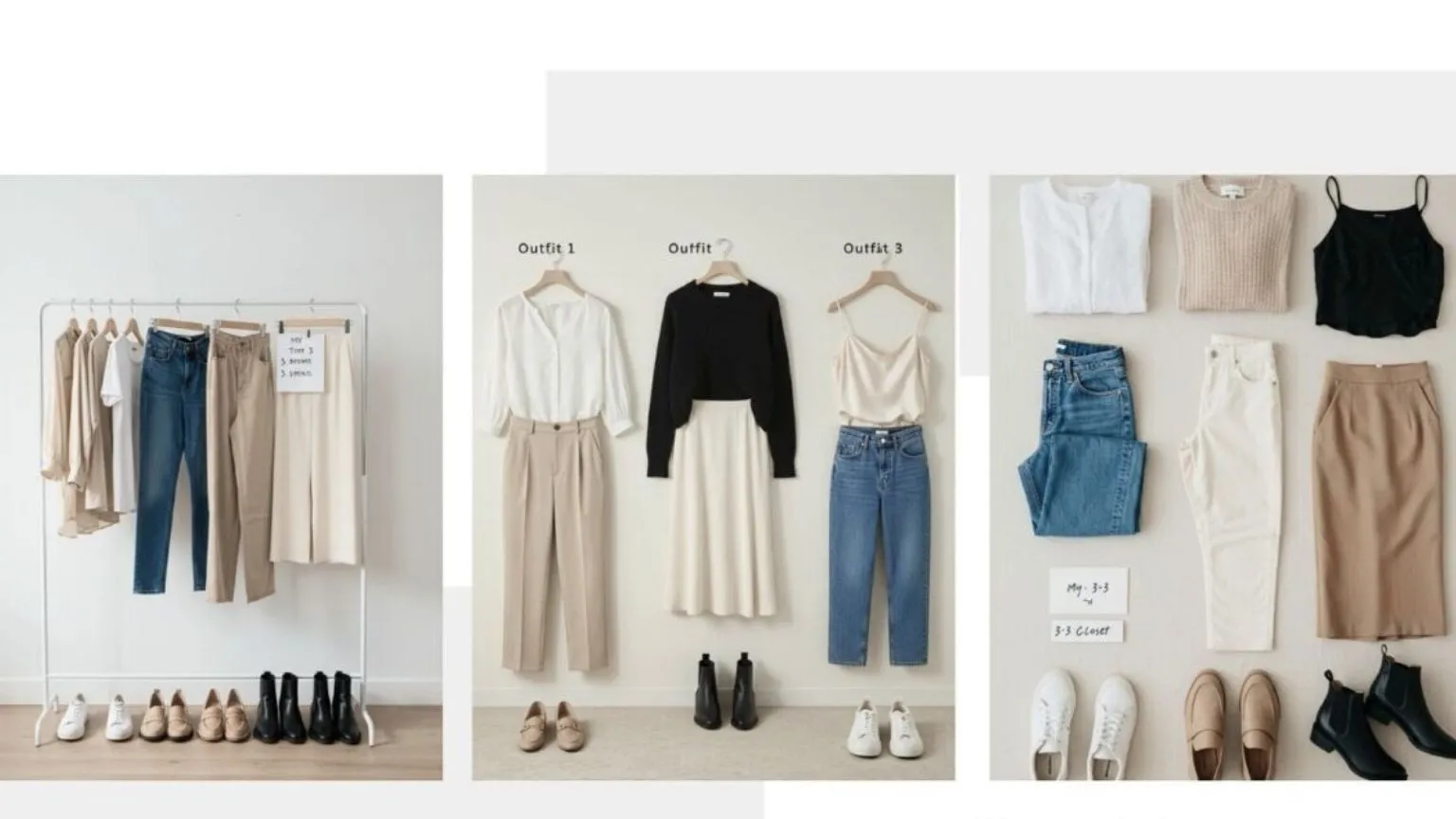
Fashion trends come and go, but styling principles that make life easier tend to stick around. One such concept that has quietly gained popularity among stylists, minimalists, and everyday fashion lovers is the 3-3-3 rule in fashion. If you’ve ever stood in front of your wardrobe feeling overwhelmed despite having “nothing to wear,” this rule might be exactly what you need.
The 3-3-3 rule is not about strict minimalism or limiting your creativity. Instead, it’s a practical framework that simplifies outfit creation while encouraging versatility, balance, and personal style. Whether you’re building a capsule wardrobe, packing for a trip, or just trying to dress better with less effort, the 3-3-3 rule offers a refreshing approach.
In this guide, we’ll explore what the 3-3-3 rule is, where it comes from, how to use it, who it’s for, and why it works so well in modern fashion.
Understanding the 3-3-3 Rule in Fashion
At its core, the 3-3-3 rule in fashion is a simple styling method:
Choose 3 tops, 3 bottoms, and 3 pairs of shoes—and create multiple outfits using only those 9 items.
With just these nine pieces, you can create up to 27 different outfit combinations, depending on how you mix and match them.
The rule emphasizes:
- Versatility
- Color coordination
- Timeless silhouettes
- Smart outfit planning
Rather than buying more clothes, the 3-3-3 rule encourages you to use what you already own more effectively.
Where Did the 3-3-3 Rule Come From?
The 3-3-3 rule gained traction through social media platforms, particularly TikTok and Instagram, where creators shared minimalist outfit challenges. However, the philosophy behind it is deeply rooted in capsule wardrobe theory, which has been popular since the 1970s.
Fashion stylists and productivity experts also support similar ideas, believing that:
- Fewer choices reduce decision fatigue
- Simpler wardrobes lead to clearer personal style
- Intentional dressing boosts confidence
The 3-3-3 rule is essentially a modern, digestible version of capsule dressing, adapted for fast-paced lifestyles.
Why the 3-3-3 Rule Works So Well
The appeal of the 3-3-3 rule lies in its simplicity. Here’s why it works:
1. It Reduces Decision Fatigue
Choosing outfits every day can be mentally exhausting. By limiting options, you free up mental energy for more important decisions.
2. It Highlights Versatility
You start seeing your clothes not as single outfits, but as building blocks that can work in many ways.
3. It Encourages Smarter Shopping
Once you understand what works together, you stop buying items that only match one outfit.
4. It Saves Time
Getting dressed becomes quicker and more intentional.
5. It Builds Confidence
When everything in your mini-wardrobe works together, you’re less likely to second-guess your look.
Breaking Down the 3-3-3 Rule Step by Step
Let’s look at how each category works.
1. The 3 Tops
Your tops should be:
- Easy to layer
- Neutral or complementary in color
- Suitable for different occasions
Examples:
- A crisp white shirt
- A neutral knit sweater
- A casual t-shirt or blouse
Choose a mix of casual and slightly elevated pieces so you can dress outfits up or down.
2. The 3 Bottoms
Bottoms anchor your outfit, so versatility is key.
Examples:
- Tailored trousers
- Classic jeans
- A skirt or relaxed pants
Look for silhouettes that flatter your body shape and work with all three tops.
3. The 3 Shoes
Shoes define the mood of an outfit.
Examples:
- Sneakers or flats
- Loafers, boots, or sandals
- Heels or dress shoes
Ideally, each pair should serve a different purpose: casual, smart-casual, and formal.
How Many Outfits Can You Really Make?
With:
- 3 tops × 3 bottoms × 3 shoes
You can create:
27 unique outfit combinations
That’s nearly a full month of outfits from just nine items.
And that doesn’t include:
- Accessories
- Outerwear
- Layering techniques
Which means the possibilities are actually much greater.
The Role of Color in the 3-3-3 Rule
Color coordination is critical for success.
Stick to a Cohesive Palette
Choose:
- 1–2 neutral base colors (black, white, beige, navy)
- 1–2 accent colors
- Optional soft patterns or textures
This ensures every top works with every bottom—and every shoe complements the look.
The 3-3-3 Rule and Capsule Wardrobes
While similar, the two concepts are not the same.
| Capsule Wardrobe | 3-3-3 Rule |
|---|---|
| Long-term | Short-term or flexible |
| 20–40 pieces | Only 9 pieces |
| Lifestyle-based | Outfit-focused |
| Seasonal | Perfect for challenges or trips |
Many people use the 3-3-3 rule as a test run before committing to a full capsule wardrobe.
Using the 3-3-3 Rule for Travel
The 3-3-3 rule is especially popular for travel packing.
Why It’s Ideal for Trips
- Fits easily into carry-on luggage
- Covers multiple occasions
- Reduces overpacking
- Makes outfit planning stress-free
Add one jacket and a few accessories, and you’re ready for almost any destination.
Is the 3-3-3 Rule Only for Minimalists?
Not at all.
You don’t have to give up:
- Bold prints
- Statement pieces
- Trendy items
The rule is about intentional selection, not restriction. Even maximalists can use it as a styling exercise to improve outfit coordination.
Adapting the 3-3-3 Rule to Different Styles
Casual Style
- Graphic tee, sweatshirt, linen shirt
- Jeans, joggers, chinos
- Sneakers, slides, casual loafers
Office Wear
- Button-down shirt, blouse, knit top
- Trousers, midi skirt, tailored pants
- Loafers, heels, ankle boots
Street Style
- Oversized tee, cropped top, hoodie
- Cargo pants, denim, wide-leg trousers
- Chunky sneakers, boots, statement shoes
The rule adapts easily to any aesthetic.
Accessories: The Secret to Expanding Looks
Accessories aren’t part of the official 3-3-3 count—but they make a huge difference.
Add:
- Belts
- Jewelry
- Scarves
- Bags
- Hats
They can completely transform the same outfit from casual to polished.
Common Mistakes to Avoid
1. Choosing Similar Items
If all three tops are nearly identical, you limit variety.
2. Ignoring Lifestyle Needs
Your selections should reflect how you actually live, not an ideal version of yourself.
3. Forgetting Comfort
Uncomfortable clothes won’t get worn, no matter how stylish they are.
4. Picking Trend-Only Pieces
Trendy items can work—but make sure they still mix well with everything else.
The Psychological Benefits of the 3-3-3 Rule
Beyond style, this rule impacts mindset.
- Less clutter = less stress
- Fewer choices = more clarity
- Better outfits = improved self-image
Many people report feeling more confident and put-together after adopting this approach.
Is the 3-3-3 Rule Sustainable?
Yes—and that’s one of its biggest advantages.
- Encourages fewer purchases
- Promotes mindful consumption
- Reduces fast fashion dependency
- Supports long-term wardrobe use
In an era where sustainability matters more than ever, the 3-3-3 rule aligns perfectly with conscious fashion values.
Can You Customize the 3-3-3 Rule?
Absolutely.
Some people adjust it to:
- 4-4-4 for larger wardrobes
- 3-3-3 + 1 jacket
- Seasonal 3-3-3 challenges
The rule is a guideline, not a law.
Final Thoughts: Why the 3-3-3 Rule Matters in Modern Fashion
The 3-3-3 rule in fashion proves that style isn’t about owning more—it’s about styling better. In a world of endless trends and overflowing closets, this simple method brings clarity, creativity, and confidence back into getting dressed.
Whether you’re a minimalist, a trend lover, a busy professional, or a traveler looking to pack smarter, the 3-3-3 rule offers a powerful reminder: great style starts with intention, not excess.
If you’re looking for a low-pressure way to refresh your wardrobe, challenge your creativity, and simplify your daily routine, the 3-3-3 rule might just be the fashion reset you didn’t know you needed.


